
First, one needs to write a few words about general Sikorski, one of the most consequential figures of the centre-right opposition. Following 1926, he was gradually sidelined from the military since he refused to back the May Coup and stayed loyal to the government. Two years later, he was relieved from the position of corps commander.
In 1933, he attempted to consolidate the nationalist-Catholic parties to support Paderewski’s candidacy for President. However, the National Party and the representatives of the National Workers' Party (NPR) did not agree to this offer for formal reasons (the Nonpartisan Bloc for Cooperation with the Government had the majority in the National Assembly).
A different vision of foreign policy
The foreign policy of the NPR and the Christian Democrats (the parties which comprised the Labour Faction) featured prominently in their program. These parties opposed tying Poland with Germany, weakening the alliance with France and attacking Czechoslovakia. They criticised the government for rejecting the so-called Eastern Pact whose main goal was to make it impossible, among other things, for Germany to invade Poland.
Sikorski also had his own plans for keeping peace in Europe. In his view, Poland should have consolidated countries in Central Eastern Europe which then, allied with France, would have created a counterbalance on the continent.
General Sikorski had a vastly different opinion than the foreign minister at the time, Józef Beck. He put more faith in collective security agreements rather than bilateral treaties. Sikorski also had his own plans for keeping peace in Europe. In his view, Poland should have consolidated countries in Central Eastern Europe which then, allied with France, would have created a counterbalance on the continent.
This way, he wanted to neutralise the USSR’s influence and cut it off from cooperating with Germany. In 1935, Sikorski discussed his concept with Czechoslovak President, Edvard Beneš.
The Front Morges
Crucial discussions between Władysław Sikorski, Józef Haller, Wincenty Witos and Ignacy Paderewski took place from February 16 to February 21, 1936, at the renowned pianist’s Swiss estate in Morges. The talks accelerated the consolidation of the Christian Democrats and the NPR into one party.
Since 1936, Gen. Sikorski became very active in political writing, mostly focusing on foreign policies. He published his articles in the Warsaw Courier daily [Kurier Warszawski].
In Morges, they came up with an 11-point plan of taking over power in Poland. The first two are of interest to us: they focused on the foreign policy direction. The first point was about Poland defending the peace treaties and the country’s firm opposition to the German policy of fait accompli (most likely the opposition to the Third Reich leaving the League of Nations). The second point mentioned the strengthening of alliances with France, Romania and Czechoslovakia as well as establishing the precise forms of military cooperation with the allied armies.
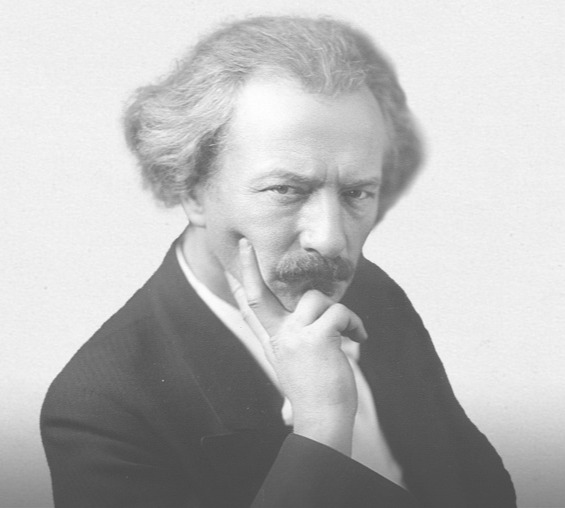
Ignacy Jan Paderewski
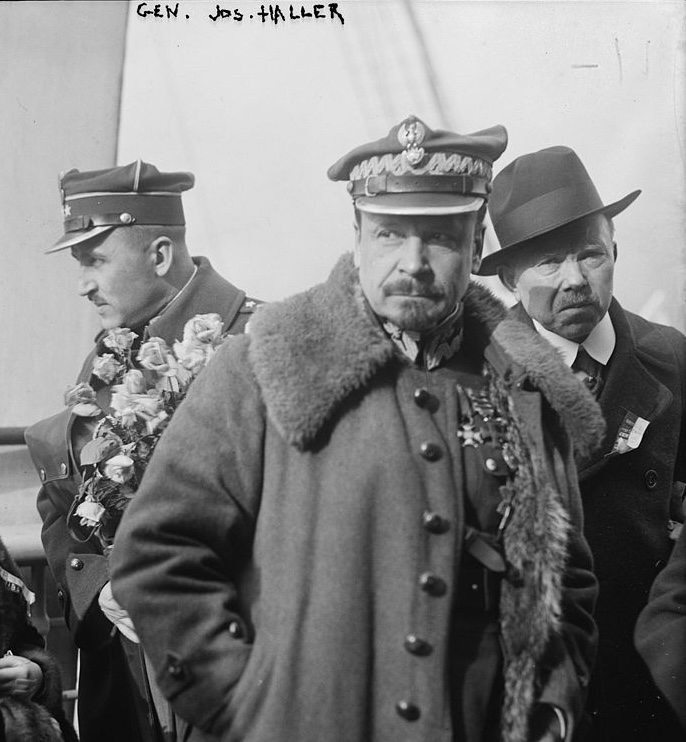
Józef Haller
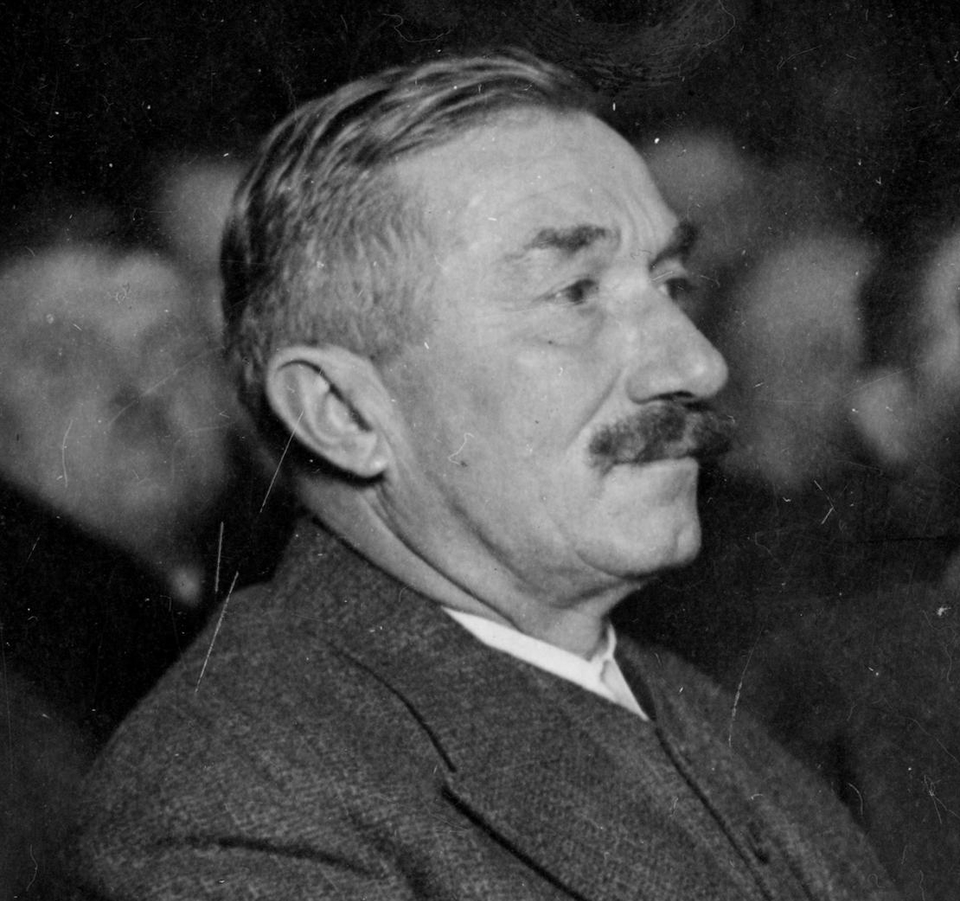
Wincenty Witos
Both points came from Genz. Sikorski’s vision and in a way opposed the policy of the Ministry of Foreign Affairs, which did not care much about the works of the League of Nations (although it did not ignore it). One also has to assume Front Morges viewed the German state as the main adversary, while the Sanation government was friendly towards it.
Prophetic concerns
Since 1936, Gen. Sikorski became very active in political writing, mostly focusing on foreign policies. He published his articles in the Warsaw Courier daily [Kurier Warszawski]. In them, he criticised foreign minister Józef Beck for his pro-German stance. He warned against Germany’s rising strength, fearing an armed aggression already in 1937.
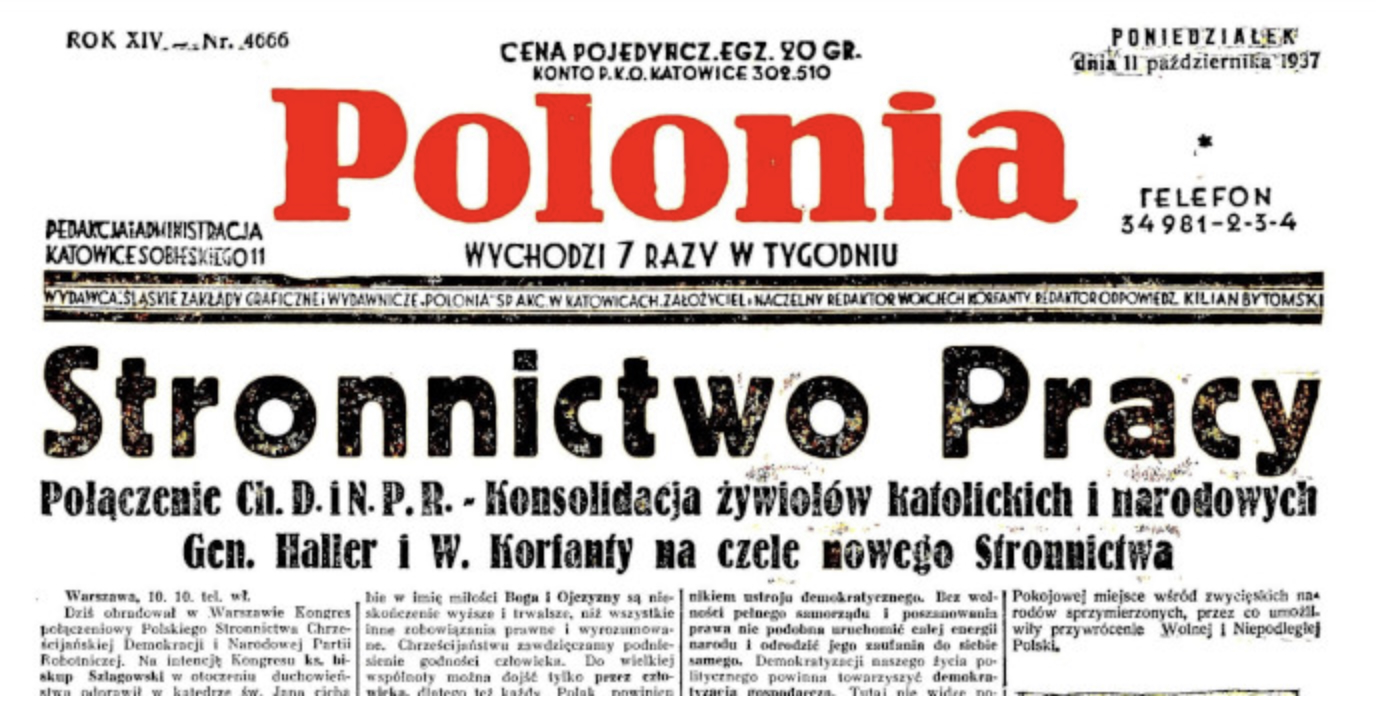
The Christian Democrats’ magazine called Polonia, which was under Sikorski’s strong influence, as well as the aforementioned Warsaw Courier, suspected that a Polish-German alliance against the USSR could end up with Poland’s demise.
Sikorski saw the counterweight to German policies in the bloc of Central Eastern European countries. Already in 1937, he accurately predicted Germany’s political steps towards the annexation of Austria, and then the occupation of Czechoslovakia, Lithuania (Germany took control of Klaipėda in 1939), Gdańsk and the Polish provinces of Pomerania and Silesia.
The Christian Democrats’ magazine called Polonia, which was under Sikorski’s strong influence, as well as the aforementioned Warsaw Courier, suspected that a Polish-German alliance against the USSR could end up with Poland’s demise. The press called for the betterment of Polish-Soviet relations.
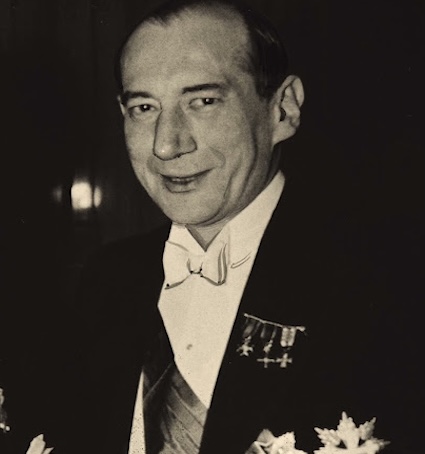
Józef Beck
The Labour Faction
On October 10, as a result of the Christian Democrats joining the National Workers’ Party, the Labour Faction (SP) came to existence. The new group had its own approach to foreign policy. SP was pro-French. That is why every analysis of international affairs ended with an appeal to strengthen the Polish-French alliance.
The Christian Democratic politicians were incapable of answering the question of how France would help Poland in a potential war with Germany. In its program, the Labour Faction repeated Sikorski’s views regarding the cooperation in Central Eastern Europe. They put extra emphasis on the alliance with Romania which remained in good relations with France. They also wanted to get Romania to join the anti-German front.
When it came to the USSR, part of their views was on par with the attitudes of Józef Piłsudski and Beck. SP politicians believed, similar to the Sanation, that a Polish-Soviet alliance would lead to the German invasion of Poland. They did not, however, view the USSR as the chief adversary of Poland, contrary to minister Beck. SP members were not hostile towards the USSR. Before the war, Gen. Sikorski took to the press and began rather cautiously promoting the idea of a military alliance between Poland, the western-democratic states and the USSR.
SP politicians believed, similar to the Sanation, that a Polish-Soviet alliance would lead to the German invasion of Poland. They did not, however, view the USSR as the chief adversary of Poland, contrary to minister Beck.
The SP press warned against the German attack. They also criticised minister Beck for not defending the Poles living in Germany, and also demanded from the government to treat the German minority in Poland the same way the Polish diaspora was being treated in the Reich.
In the last year of Poland’s independence, Gen. Sikorski saw the dangerous consequences for the country stemming from the alliance between Hitler and Mussolini. He was one of the few Polish politicians who opted for the coalition of West Europe with the USSR. He proposed a firm and clear diplomatic offensive to accompany this initiative. The main SP leaders opposed the partition of Czechoslovakia and the taking of Trans-Olza (Zaolzie) by Poland. In their opinion, the path to Polish-Czechoslovakian agreement led through guaranteeing the rights of the Polish minority in Czechoslovakia rather than annexing part of their lands.
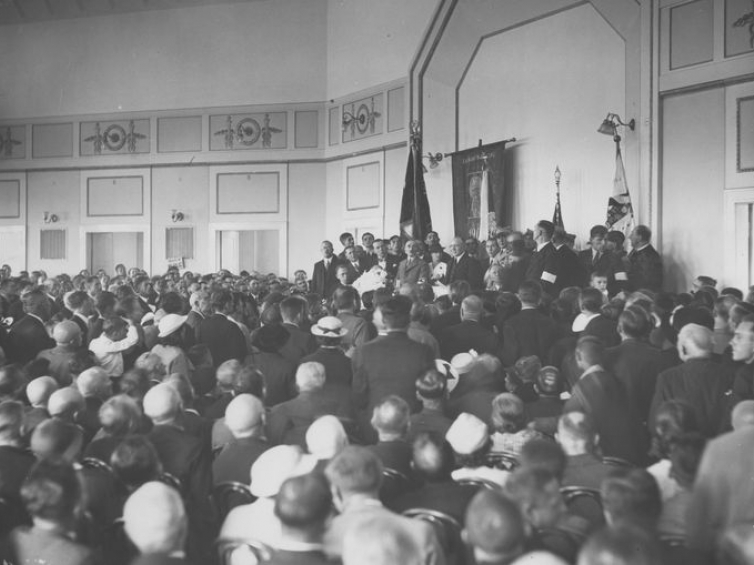
Colonel Izydor Modelski addressing a rally of the National Assembly – the Front Morges in Warsaw, 1936. (Photo from the National Digital Archives)