
His trip was aimed at strengthening the dialogue between the West and the East and underlining the importance of the so-called détente policy. Carter met with i.e. the First Secretary of the Polish People’s Workers Party, Edward Gierek. The talks mainly focused on economic and political matters.
In his speech in Warsaw, Carter thanked the Polish nation for its contribution to global history and culture, as well as mentioned its fight for independence.
Countering attempts at political sabotage…
Already a few weeks before the trip, the communist Security Service launched operation Dam-77 aimed at securing the U.S. President’s visit.
Under the operation, the agents surveilled not only Polish citizens, but also the U.S. embassy and its employees. They sent thorough reports to the management of the Ministry of Interior on ways of communicating, conversations between embassy workers and the transport and protection of the President.
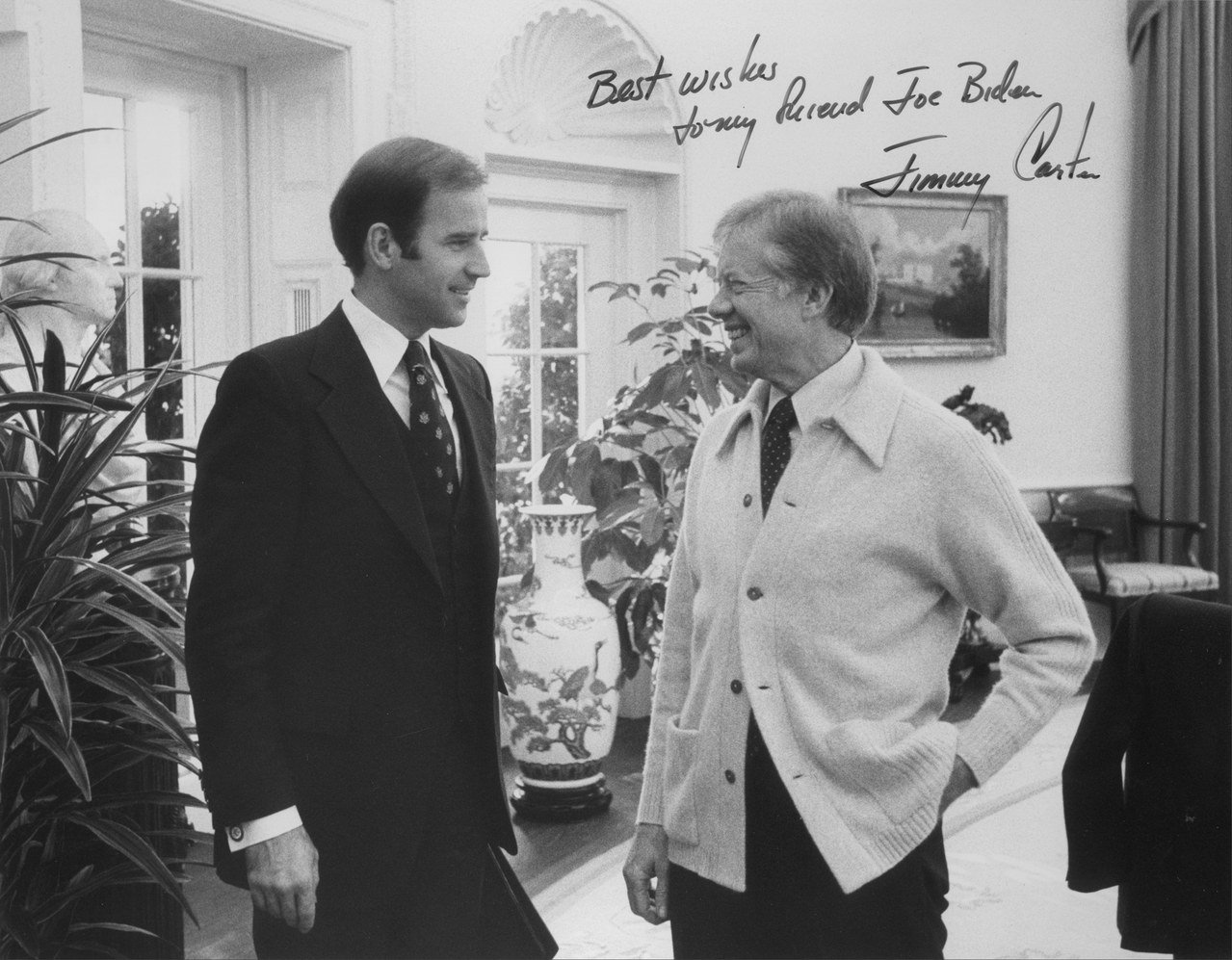
U.S. President Jimmy Carter and then U.S. Senator from Delaware, Joe Biden, of the Democratic Party (photo: Wikipedia/Office of United States Senator Joe Biden/public domain)
The Passport Department increased operational surveillance of citizens from capitalist states who were staying in Warsaw. The documents from that time say that these activities were aimed at:
“Countering potential attempts at hostile penetration and political sabotage.”
Dissidents and the President
What the communists feared the most were the potential speeches and demonstrations of the democratic opposition like the KOR Committee for Social Self-Defense or the Movement for Defence of Human and Civic Rights, which was reflected in the documents.
The leadership of the Ministry of Interior gave the orders to secure the U.S. President’s press conference which was to take place in the Victoria hotel.
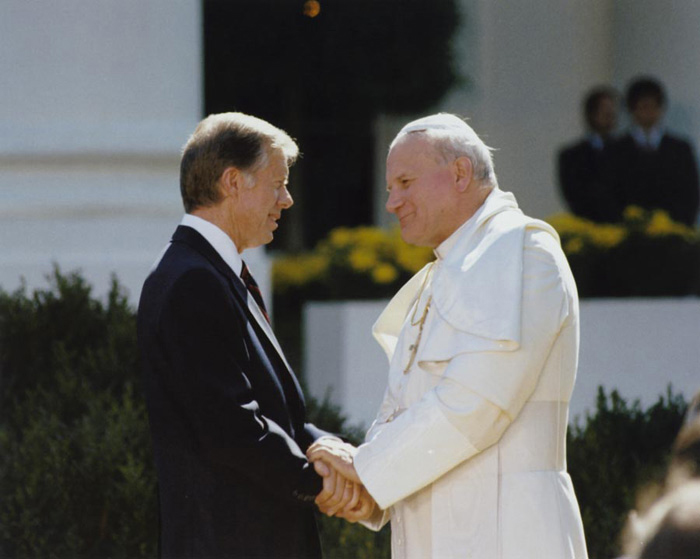
Pope John Paul II and U.S. President Jimmy Carter in front of the White House during the papal visit to the United States in 1979 (photo: Wikipedia/William Fitz-Patrick/CC BY-SA 2.0)
They ordered to make it impossible for unwanted elements to attend the presser, as well as to take over any anti-socialist documents and materials, and to identify those who tried to make contact with foreign journalists and Carter’s circle.
Despite the ministry’s countless operational efforts to neutralise undesirable events, a number of incidents took place. Kazimierz Świtoń, along with his wife and daughter, went on a 24-hour hunger strike to demand the release of Piotr and Ryszard Świtoń, who were arrested a month prior for theft. Shortly after the strike, they were arrested as well.
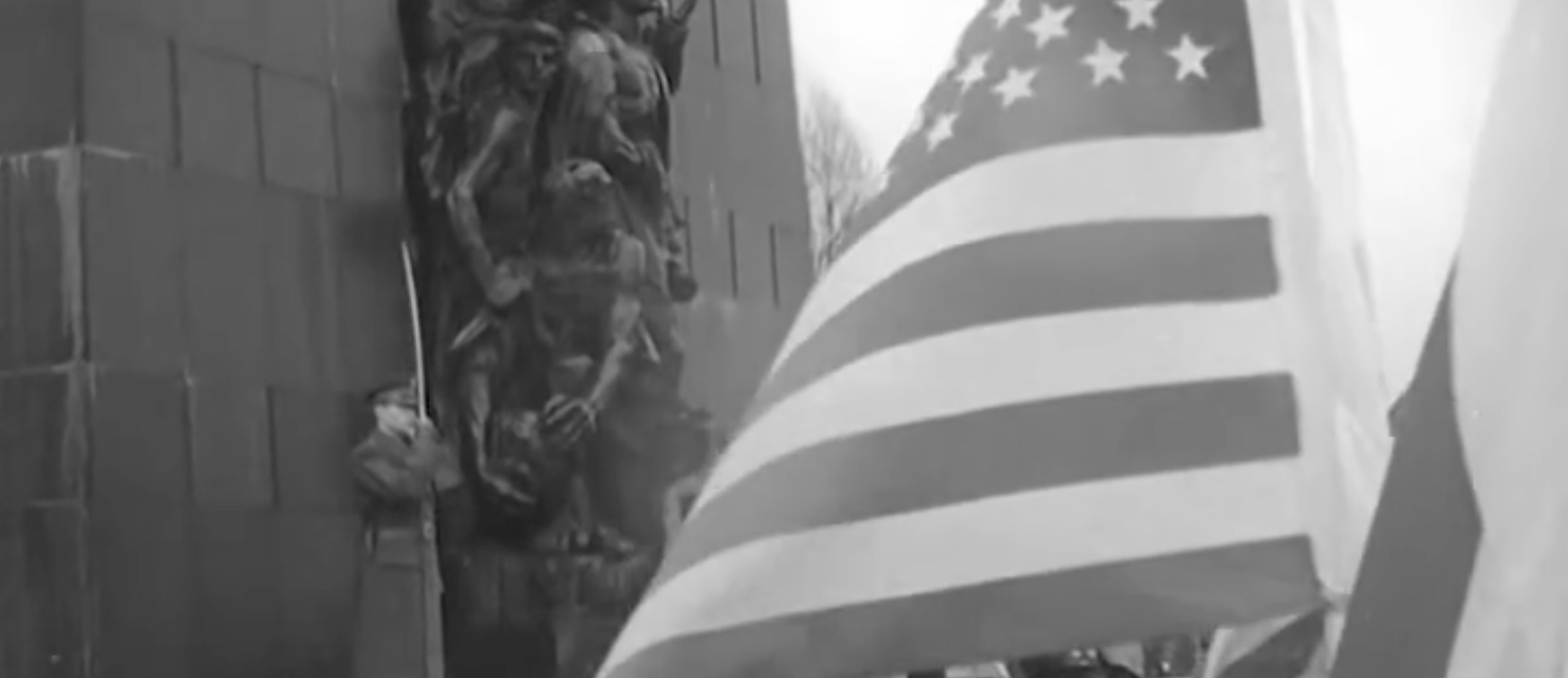
When the U.S. President was laying wreaths at the Tomb of the Unknown Soldier, two people were detained holding a banner in English on the Movement for Defence of Human and Civic Rights in Poland. Moreover, during the wreath-laying ceremony at the Monument to the Heroes of Warsaw, a group of people shouted “Gestapo!” at the officers of the communist Citizens’ Militia.
* * *
The Archives of the Institute of National Remembrance contain extensive documentation and files from that period as well as film footage recorded by the officers of the special film unit of the Ministry of Interior.
Watch a film of U.S. President Jimmy Carter's visit to Poland from December 29-31, 1977, recorded by the officers of the special film unit of the Ministry of Interior