Born on March 31, 1892, in Szczerc, modern-day Ukraine, Maczek dedicated his entire life to military service, showing exceptional intelligence, humane approach and incredible efficiency on the battlefield.
Beginning of military career
Stanisław Maczek began his career as the soldier of the Austro-Hungarian army, but after Poland regained its independence in 1918, he immediately joined the effort to rebuild the Polish armed forces.
He fought in the Polish-Ukrainian and Polish-Bolshevik wars, where his ability to react quickly as well as efficient leadership skills impressed his commanders.
He was a pioneer of modern combat tactics, including fast-moving flanking units, which then turned out crucial in his career.
Second World War and 1st Armoured Division
During the September campaign of 1939, Maczek led the 10th Armoured Cavalry Brigade, which had success in slowing down the German advance despite the enemy’s advantage.
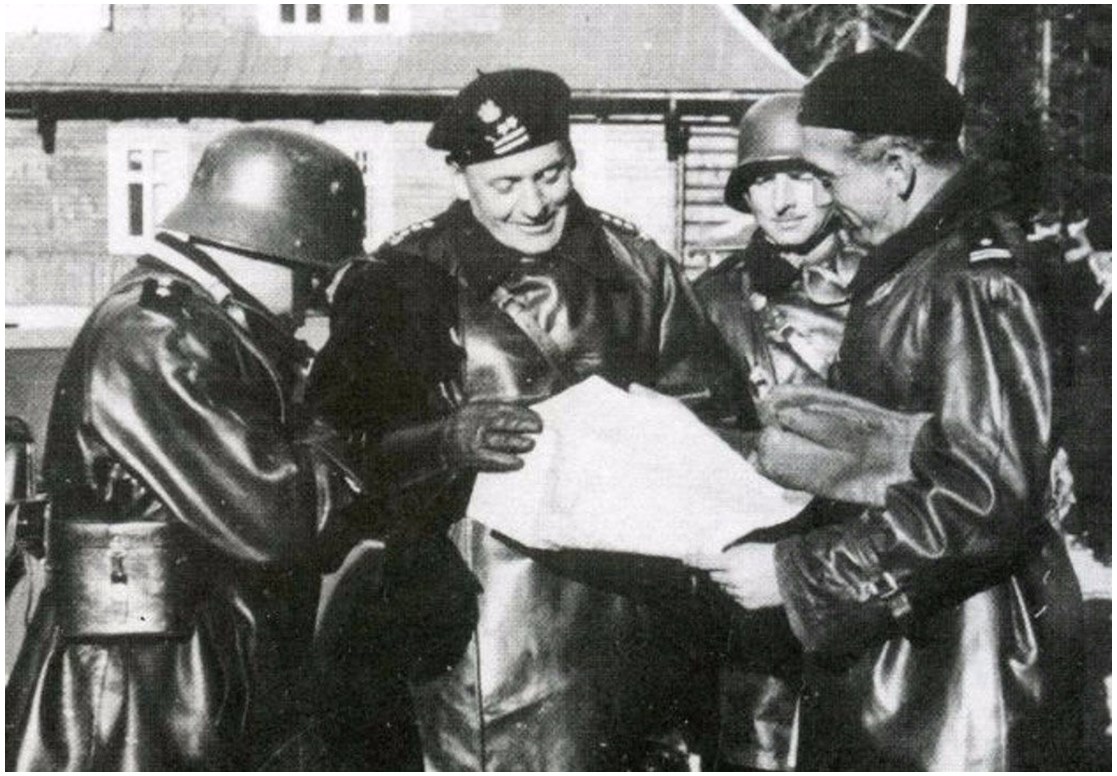
Colonel Stanisław Maczek with his soldiers from the 10th Cavalry Brigade (photo taken in the autumn of 1938)
After Poland’s defeat, he managed to evacuate to France, where he organised and commanded Polish units fighting alongside the Allies. After France surrendered in 1940, he ended up in Great Britain, where he took charge of the 1st Armoured Division.
Under his command, the division played a crucial role during Operation Overlord and the fighting in Normandy in 1944. General Maczek gained the nickname “Watchful Hunter” thanks to his strategic skills and care for minimising the losses among his troops.
The 1st Division liberated many towns in Belgium and the Netherlands, including Breda, where its citizens to this day honour the legacy of Poles and their contribution to their freedom.
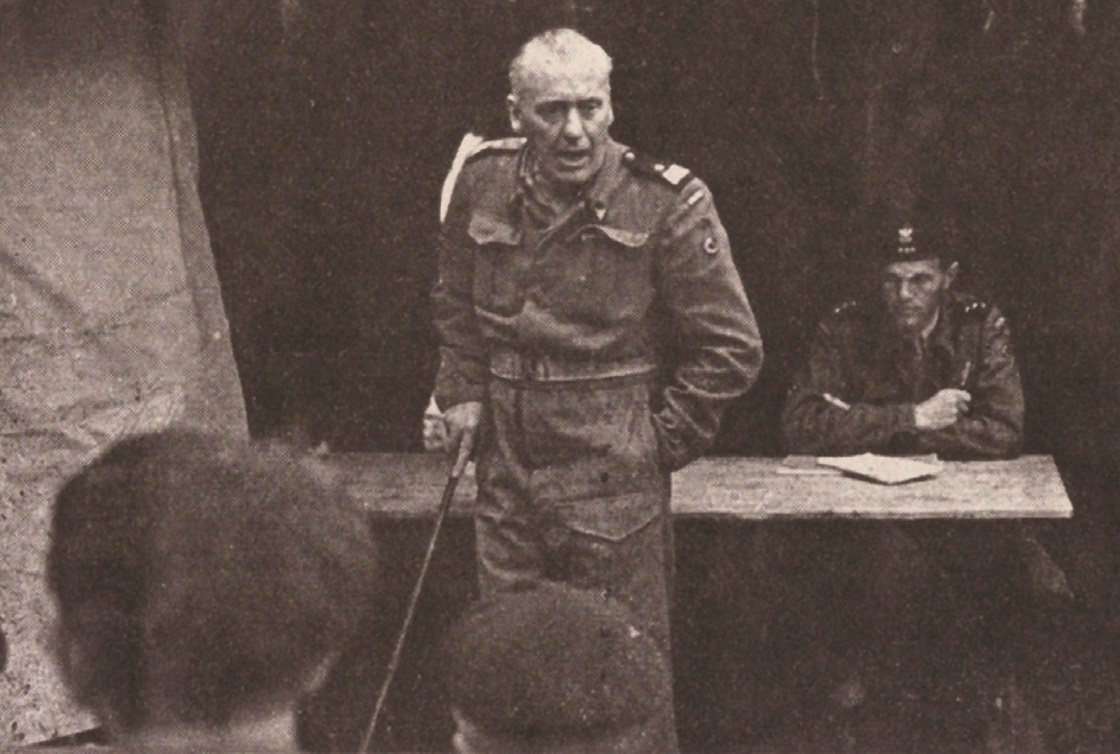
Gen. Stanisław Maczek during a briefing, August 1944 (photo from the Archives of the Institute of National Remembrance)
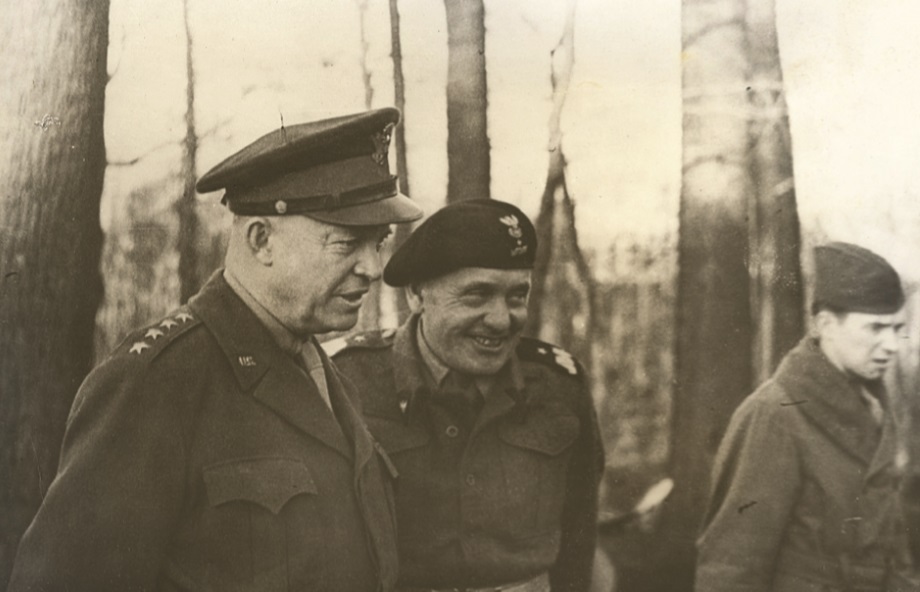
General Dwight Eisenhower and General Stanisław Maczek inspecting Polish troops in the Netherlands, November 1944 (photo from the Archives of the Institute of National Remembrance)
Life after the war
After the war, General Maczek, like many other Polish heroes, ended up in a precarious situation. Due to political decisions and the inclusion of Poland in the USSR’s sphere of influence, he couldn’t return to his homeland.
He was banned from military service in Great Britain and was forced to work as a bartender to make a living for his family. Despite these difficulties, he kept his dignity and respect of the Polish and local communities.
General Stanisław Maczek died on December 11, 1994, in Edinburgh, at 102 years old. His body was first transported to Poland and then buried with the soldiers from his division at the military cemetery in Breda.
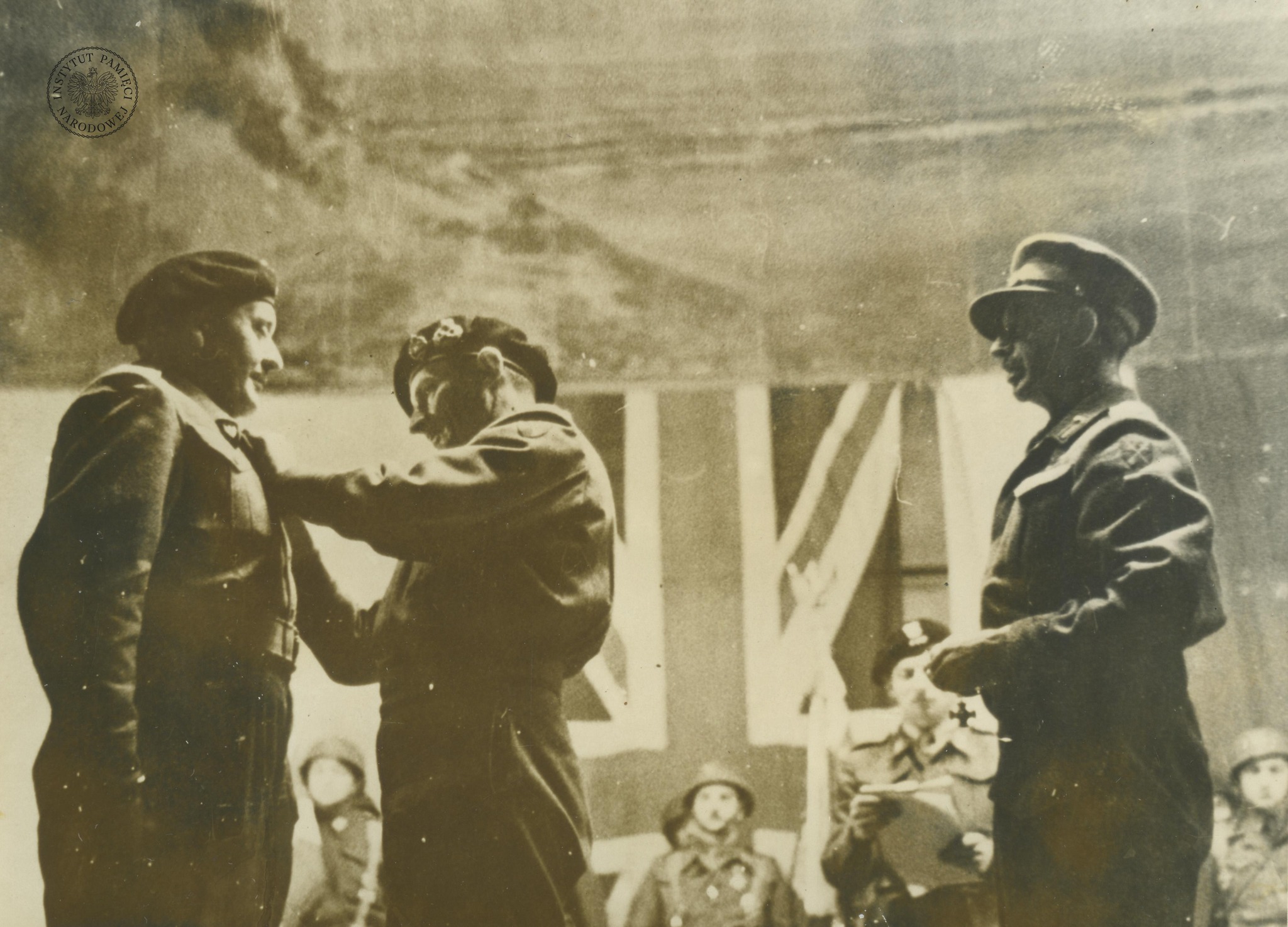
The commander of the 21st Army Group, Field Marshal Bernard Montgomery, pins a decoration on the commander of the 1st Armoured Division of the Polish Armed Forces, Brigadier General Stanisław Maczek. Breda, November 25, 1944. On the right stands, most likely, the commander of the 1st Canadian Army, General Henry “Harry” Crerar (photo from the Archives of the Institute of National Remembrance)
Legacy
Nowadays, General Maczek is a symbol of resilience, bravery and professionalism. His story serves as a reminder of the Polish contribution to the Allied victory during the Second World War and the difficult fate of many Polish soldiers in exile.
Monuments and museums dedicated to him can be found e.g. in Breda, Edinburgh and Poland. He occupies a special place in many hearts not only as an outstanding tactician, but first and foremost as a man of incredible morality and humanity.
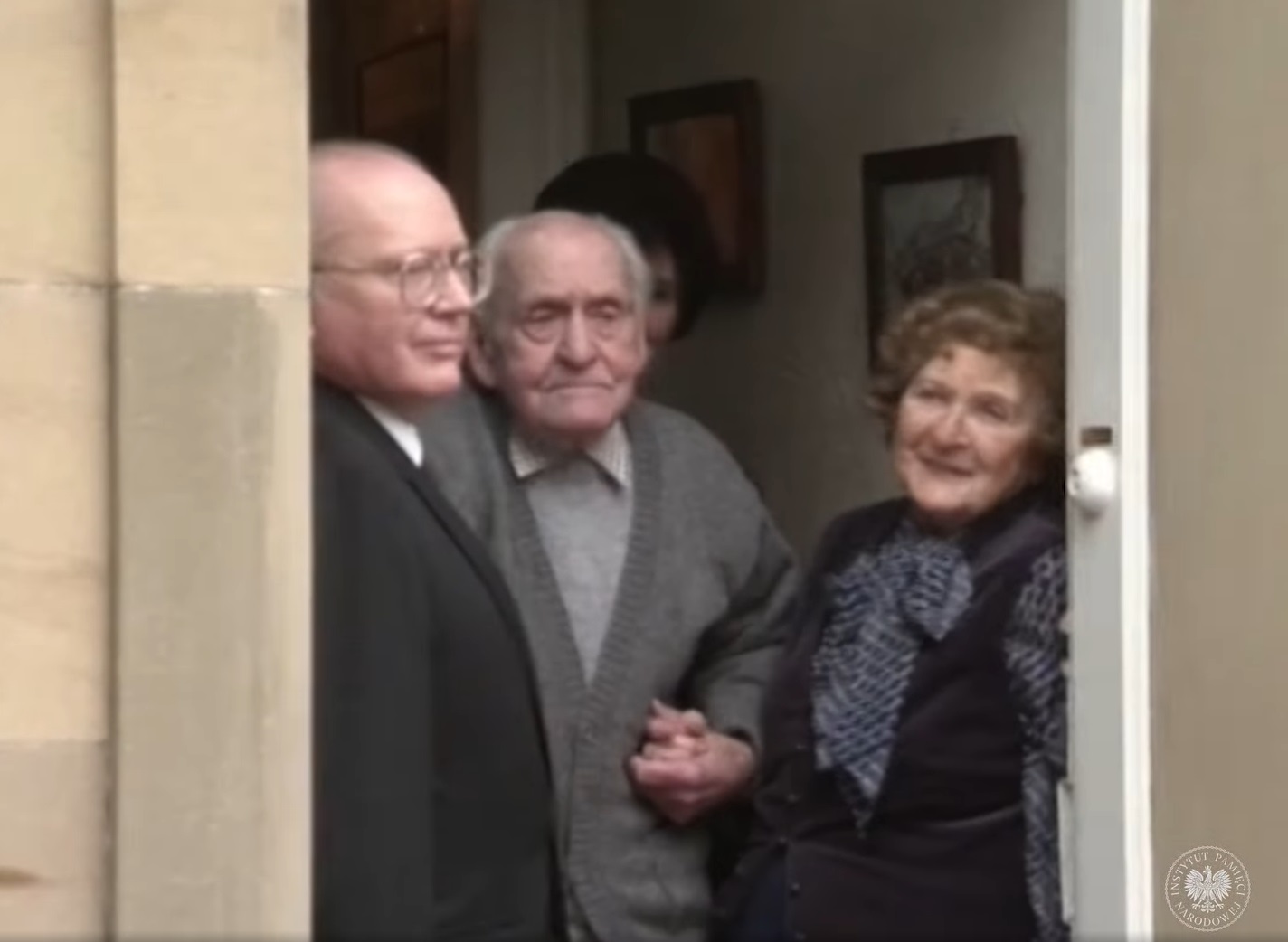
A still from a film documenting the meeting of General Stanisław Maczek with his former soldiers who visited him in Edinburgh in 1992 on the occasion of his 100th birthday (photo from the Archives of the Institute of National Remembrance)
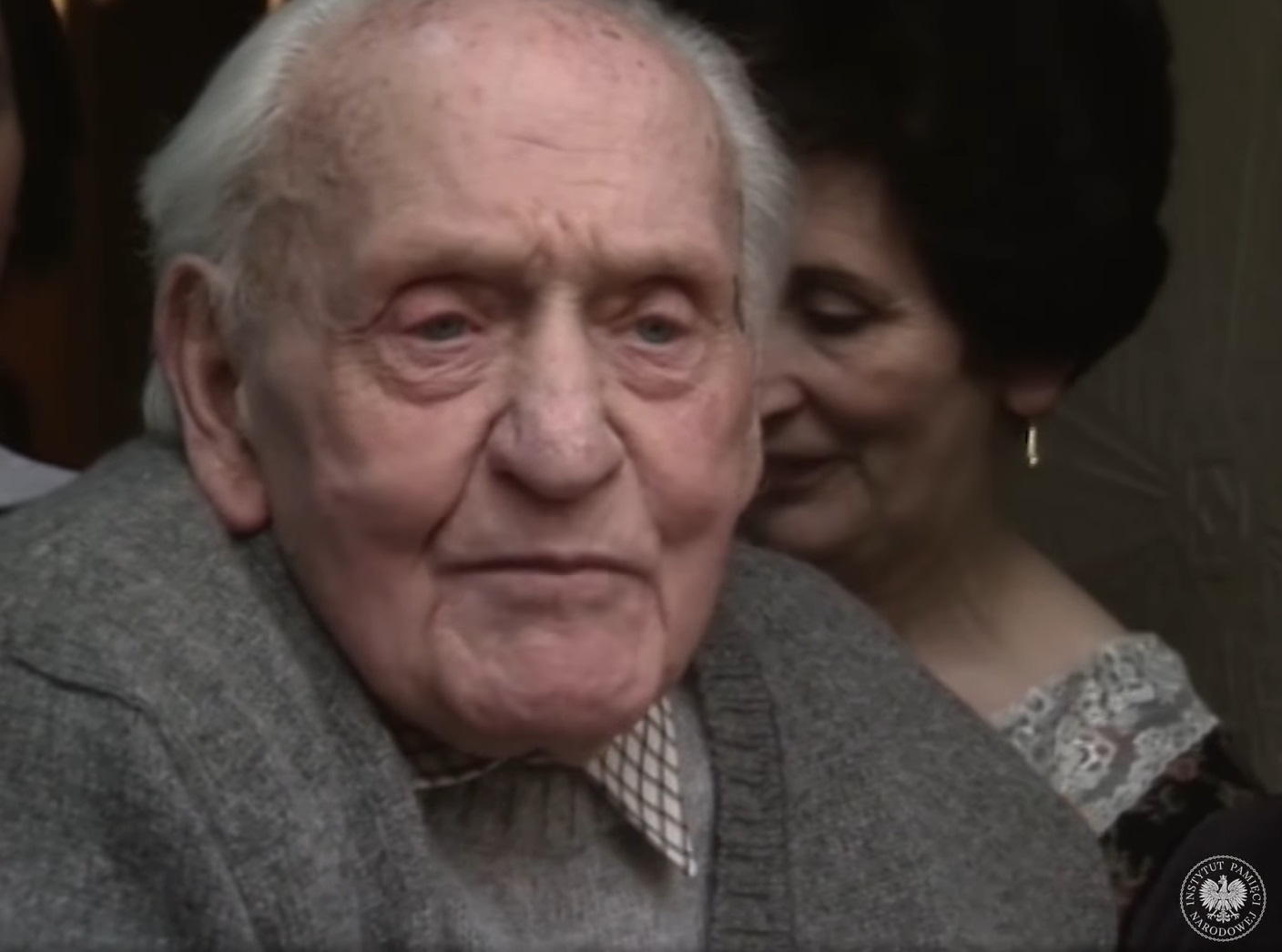
A still from a film documenting the meeting of General Stanisław Maczek with his former soldiers who visited him in Edinburgh in 1992 on the occasion of his 100th birthday (photo from the Archives of the Institute of National Remembrance)
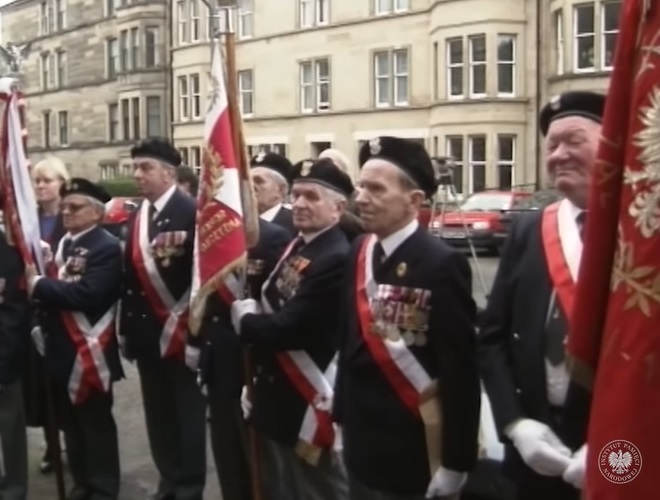
A still from a film documenting the meeting of General Stanisław Maczek with his former soldiers who visited him in Edinburgh in 1992 on the occasion of his 100th birthday (photo from the Archives of the Institute of National Remembrance)
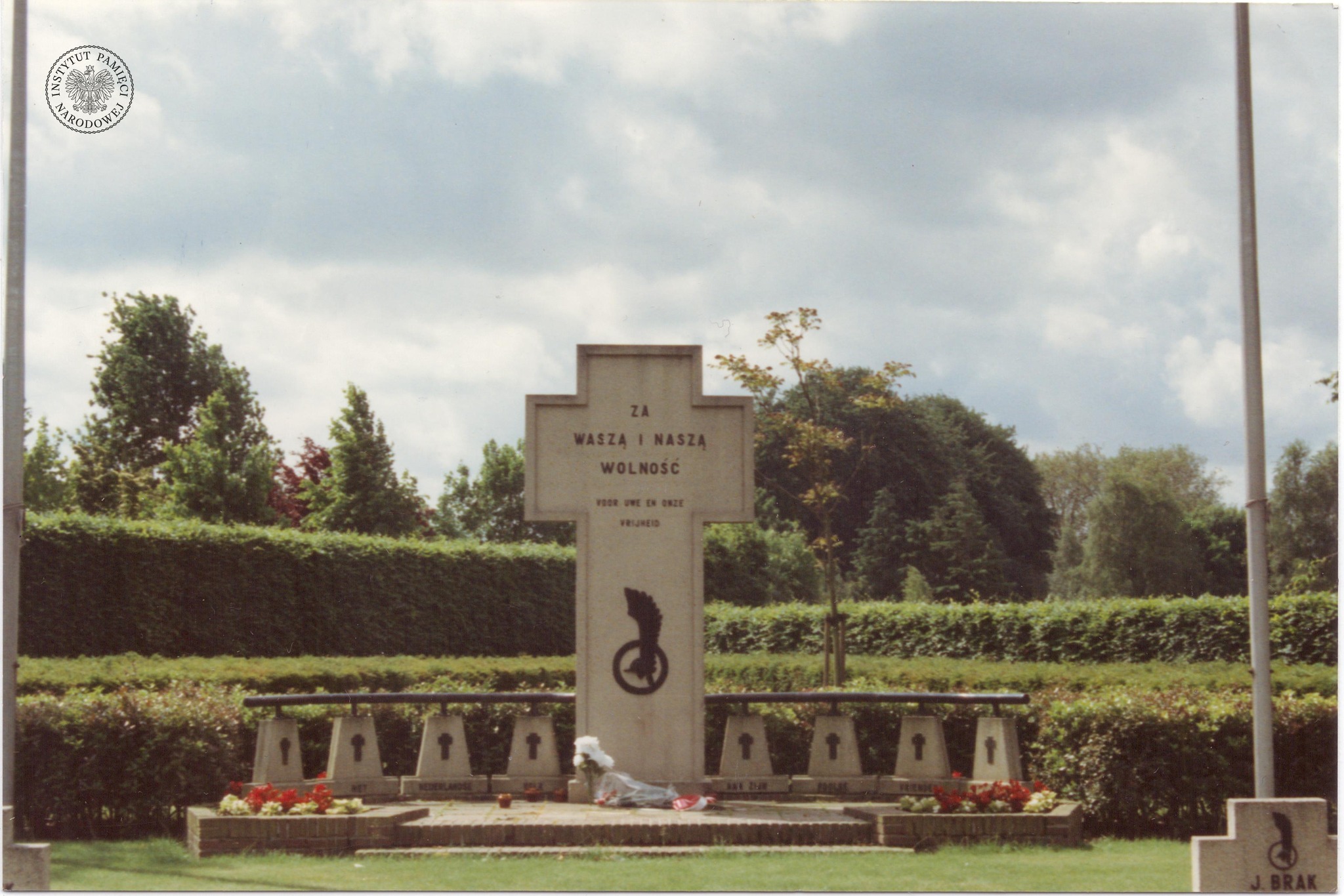
Monument at the Polish Military Cemetery in Breda, 1994. Digital copy of the photograph obtained from the collection of the Polish Army Veterans Association of America (photo from the Archives of the Institute of National Remembrance)