On September 1, 1939, the Second World War began with Germany’s attack on Poland. The German army counting some 1.8 million soldiers, 2.8 thousand tanks, 10 thousand cannons and around 3 thousand planes, without a declaration of war, crossed Poland’s borders. According to the Fall Weiss plan, the Polish army was meant to be encircled and destroyed west of the Vistula river two weeks after the start of the combat operations at the most. The Polish army could only field around 1 million soldiers, 880 tanks, 4.3 thousand cannons and 400 planes against the invaders. The disproportion in strength was enormous.
The first blietzkrieg
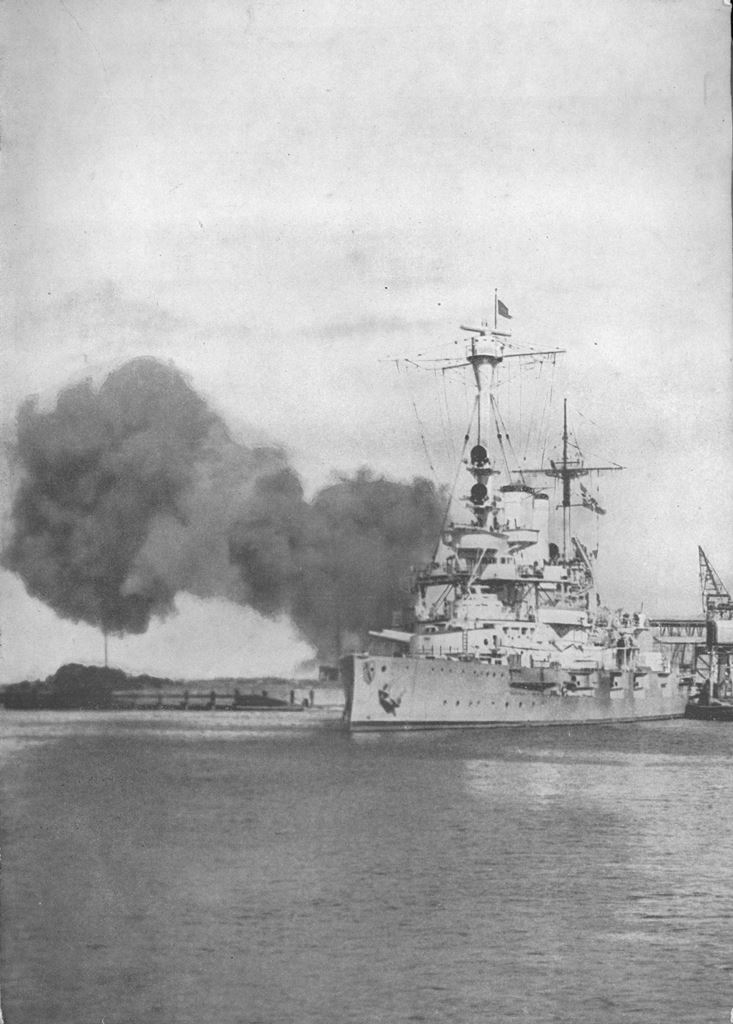
The Westerplatte peninsula became the symbol of the Poles’ resistance in the September campaign. It came under fire from the Schleswig-Holstein dreadnought and was attacked by more than 3 thousand German troops. 205 Polish defenders surrendered after a gruelling seven days of fighting.
From the beginning of the war, the German air force conducted intense bombings of both military and civilian targets. The barbaric attacks on Polish cities caused the deaths of thousands of people.
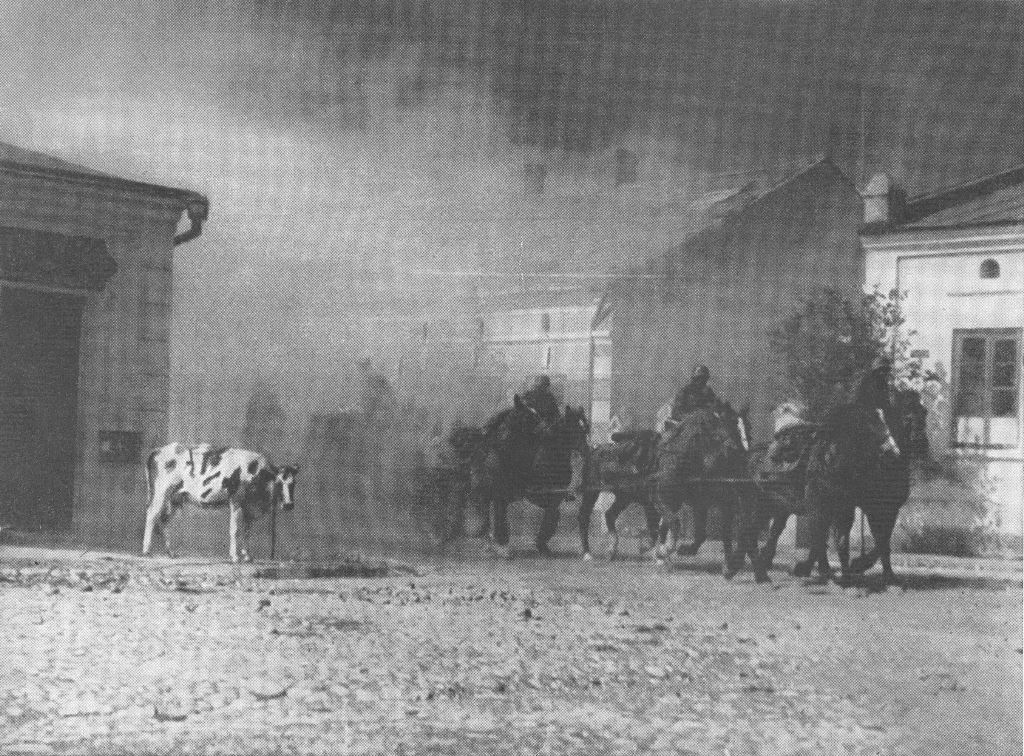
Photo from the album Der grosse Deutsche Feldzug gegen Polen. Eine Chronik des Krieges in Wort und Bild, from the archives of the Institute of National Remembrance
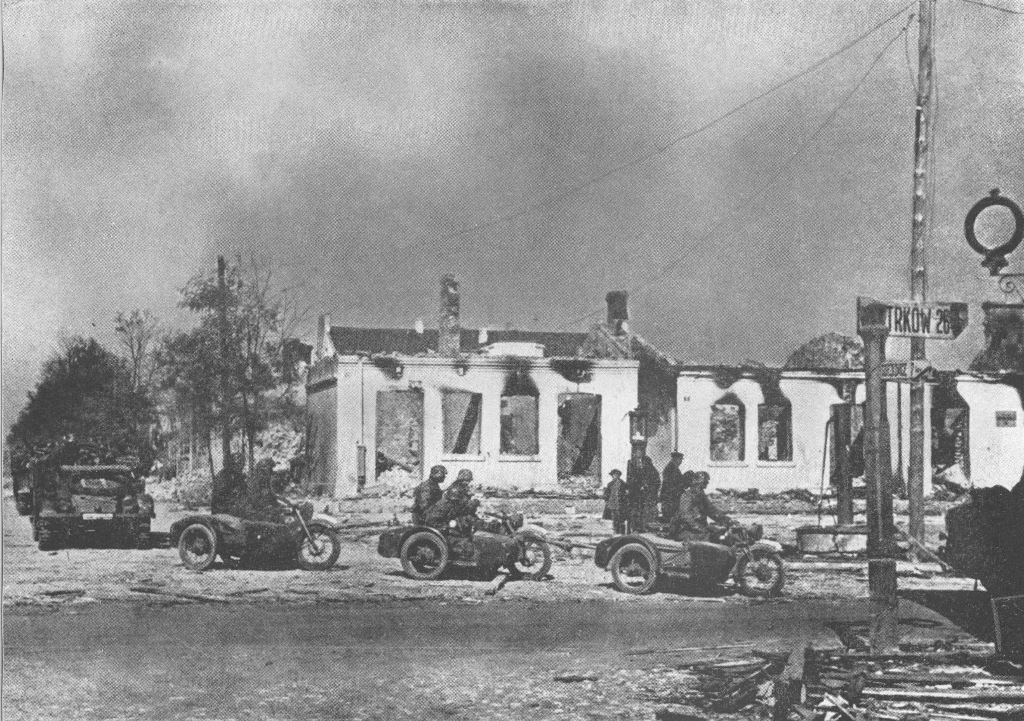
Photo from the album Der grosse Deutsche Feldzug gegen Polen. Eine Chronik des Krieges in Wort und Bild, from the archives of the Institute of National Remembrance
The German war doctrine (blitzkrieg) was a great success in Poland. By September 3, the Polish army lost the so-called border war and was retreating east. The concentrated attacks of the German armoured and motorised divisions broke through the Polish lines of defence. The technical and organisational superiority, as well as the element of surprise, tipped the scales in the Wehrmacht’s favour.
On September 3, France and the United Kingdom declared war on the Third Reich. Despite the huge advantage of the allied forces in the western front, practically no military actions took place. The West failed to fulfil their allied duties to Warsaw, and the “strange war” in western Europe gave the Wehrmacht free reign in Poland.
Defeat without surrender
On September 6, after the Polish army was defeated in the battles of Piotrków Mazowiecki and Tomaszów Mazowiecki, the road to Warsaw stood open for the Germans. Marshall Edward Rydz-Śmigły gave the general order to retreat behind the Vistula and San rivers. The Polish government left the capital and the German forces stood on its outskirts on September 8. The city’s siege began.
On the night from September 9 to September 10, the retreating Polish armies Poznań and Pomorze attacked the unprotected wing of the 8th German Army. The bloodiest battle of the September campaign began: the Battle of the Bzura. After the initial Polish successes, the German superiority caused the Polish troops to undertake defensive actions. On September 17, the remaining Polish forces began retreating to Warsaw through the Kampinos Forest.
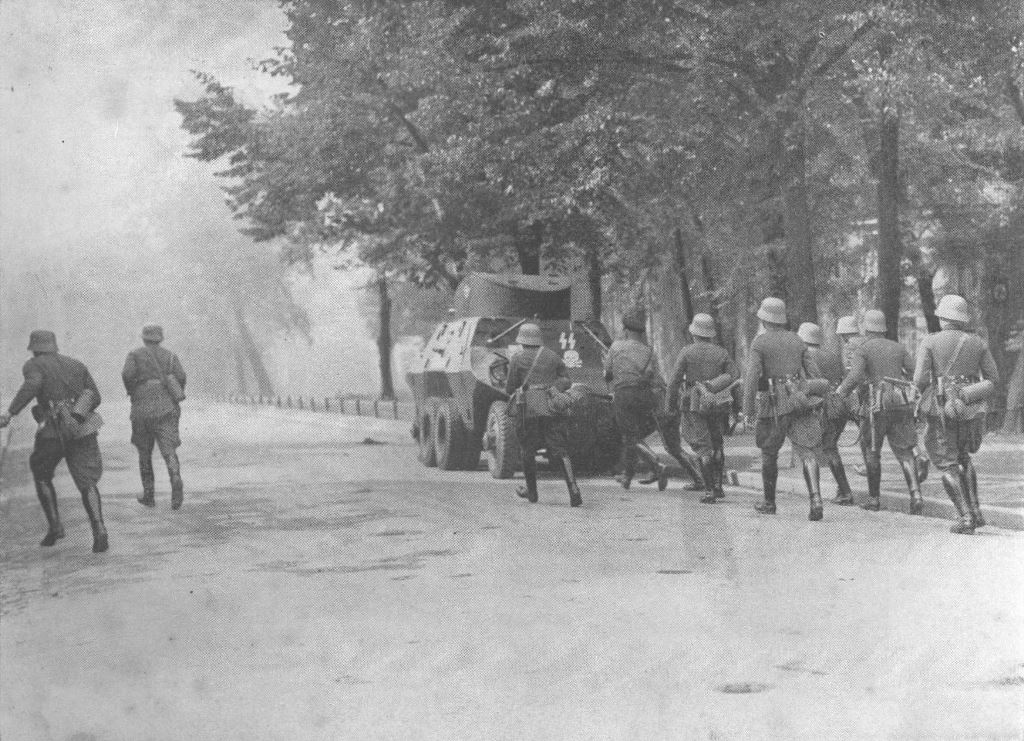
Photo from the album Der grosse Deutsche Feldzug gegen Polen. Eine Chronik des Krieges in Wort und Bild, from the archives of the Institute of National Remembrance
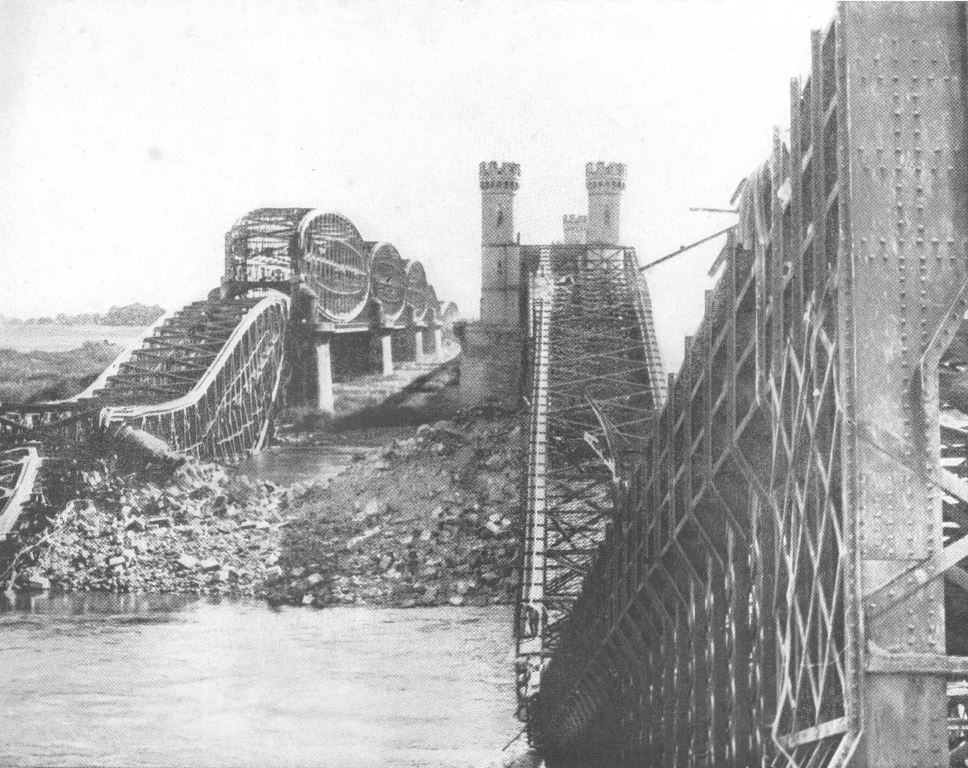
Photo from the album Der grosse Deutsche Feldzug gegen Polen. Eine Chronik des Krieges in Wort und Bild, from the archives of the Institute of National Remembrance
On the same day, the Red Army crossed Poland’s eastern border, counting around 600 thousand soldiers and more than 5 thousand tanks. Thus, the secret protocol of the Molotov-Ribbentrop Pact was completed. Poland was attacked from both sides by substantially stronger enemies. Any further military resistance was impossible under these conditions. The Polish government decided to retreat the rest of its troops to Romania and Hungary. The Supreme Commander and the government left the country on the night from September 17 to September 18. Despite that order, some units continued to engage the Germans.
In the days between September 17 to September 26, heavy battles took place near Tomaszów Lubelski. Polish troops were surrounded as they tried to fight their way out to Romania and Hungary. Warsaw defended itself until September 28, and the Modlin Fortress until September 29. The Hel peninsula surrendered on October 2, while the last to lay down their arms was the Independent Operational Group Polesie after the Battle of Kock.
The continuity of statehood of the Republic of Poland on the international stage remained, and Poland never signed a document of surrender to the Third Reich. The Polish territory was divided between the Reich and the Soviet Union. Poles continued the fight both with underground resistance and in the ranks of the Western Allies.
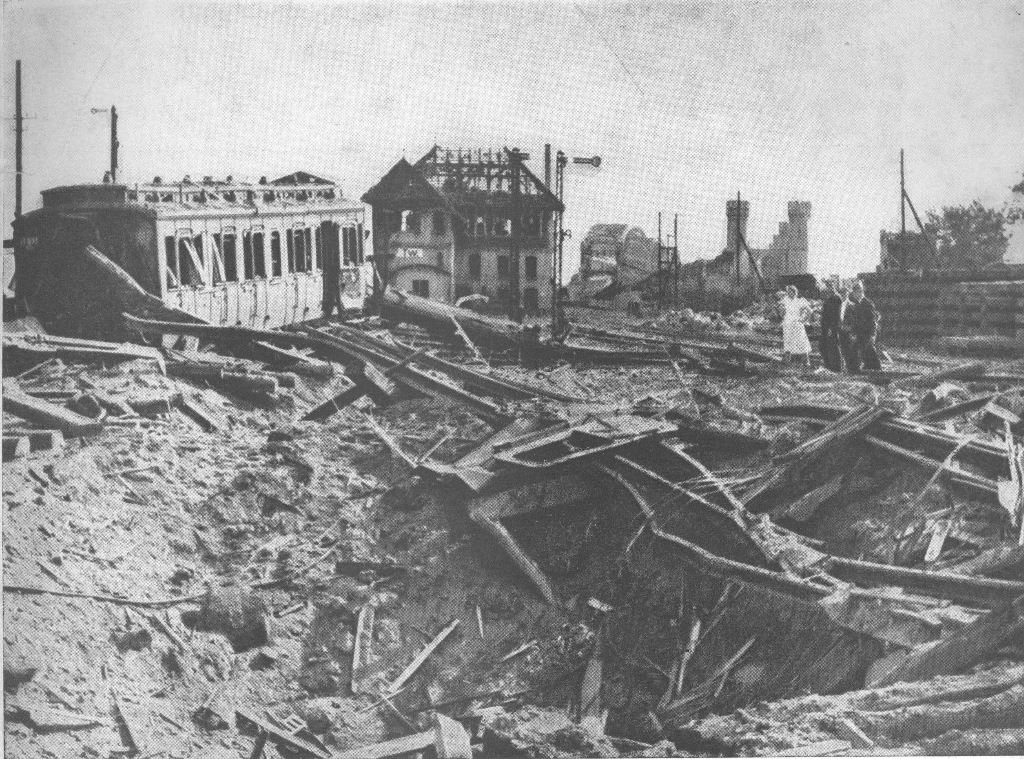
Photo from the album Der grosse Deutsche Feldzug gegen Polen. Eine Chronik des Krieges in Wort und Bild, from the archives of the Institute of National Remembrance
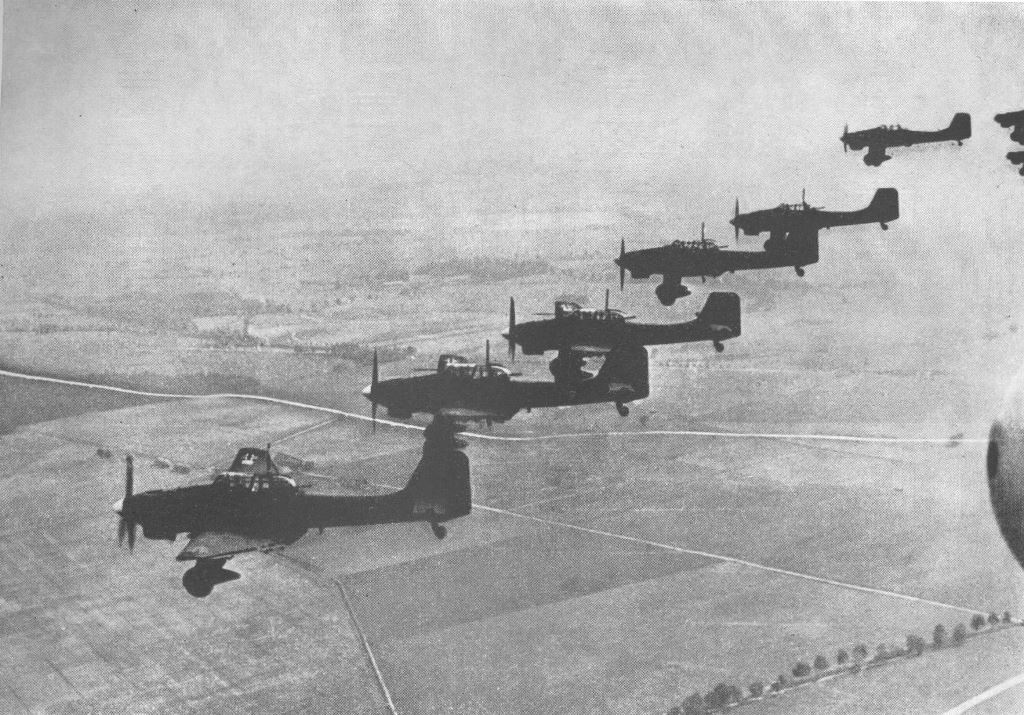
Photo from the album Der grosse Deutsche Feldzug gegen Polen. Eine Chronik des Krieges in Wort und Bild, from the archives of the Institute of National Remembrance
The first chapter of the great tragedy
Around 66 thousand soldiers and officers of the Polish army died during the September campaign, 134 thousand were wounded and 420 thousand were captured by the Germans. In the fight against the Red Army, more than a dozen thousand Polish soldiers were killed and 250 thousand captured. Some 80 thousand troops managed to escape to the neutral, neighbouring states (Lithuania, Latvia and Estonia), as well as to Romania and Hungary. Many of them then joined the Polish army in France. The Germans suffered the loss of around 45 thousand killed and wounded soldiers in September 1939, as well as close to a thousand tanks and armoured vehicles and 280 planes.
The German propaganda, from the start of the September campaign, portrayed the war with Poland as a never-ending streak of success of the German army, which wasn’t exactly true. A good example of their propaganda efforts to portray the campaign in Poland as a total and groundbreaking success is the 1940 album titled Der grosse Deutsche Feldzug gegen Polen. Eine Chronik des Krieges in Wort und Bild (The Great German Campaign against Poland. A Chronicle of the War in Words and Pictures). The preface was written by Field Marshal Walter von Reichenau, and the entire issue was edited by Heinrich Hoffmann.
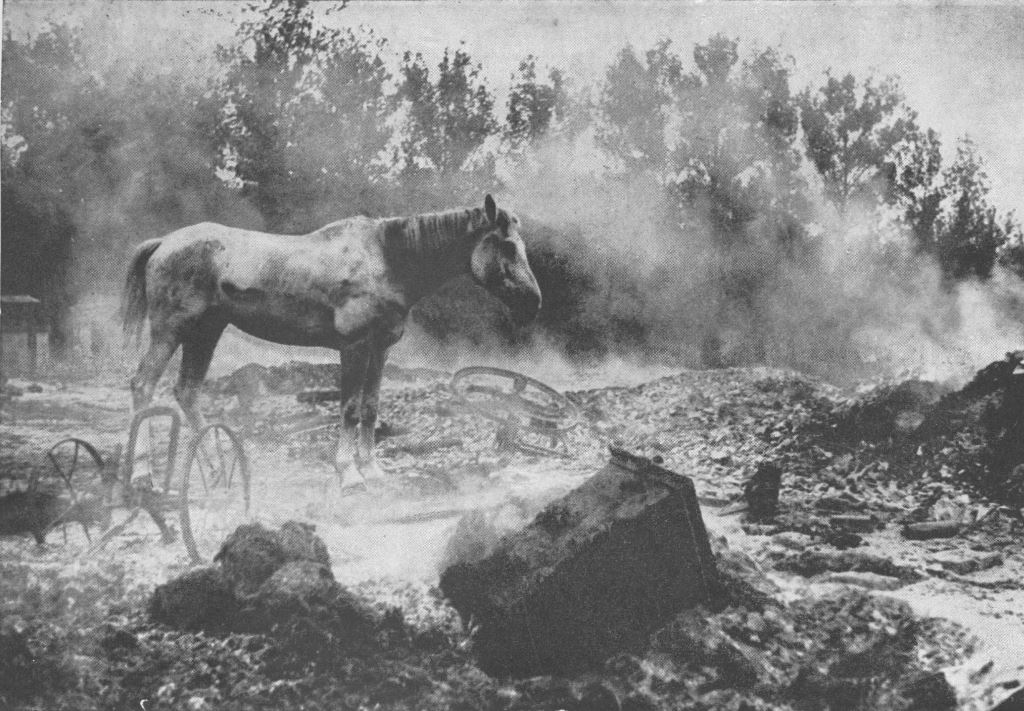
Photo from the album Der grosse Deutsche Feldzug gegen Polen. Eine Chronik des Krieges in Wort und Bild, from the archives of the Institute of National Remembrance
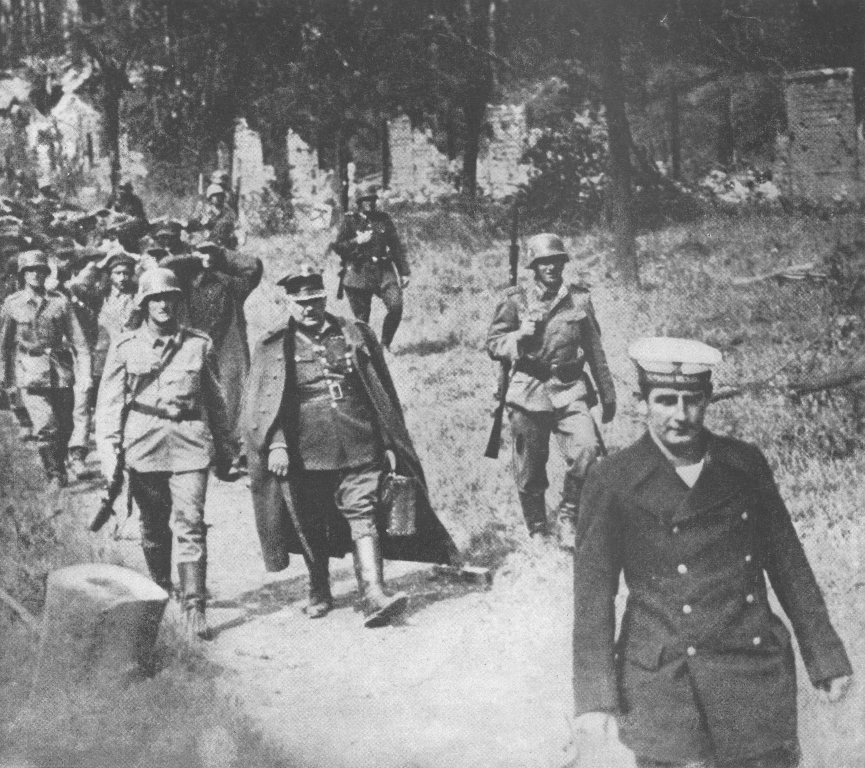
Photo from the album Der grosse Deutsche Feldzug gegen Polen. Eine Chronik des Krieges in Wort und Bild, from the archives of the Institute of National Remembrance
The album, counting 347 pages, included numerous pictures of German troops fighting the Polish army in 1939, with commentary. Some of the photographs showed the German commanders leading the campaign, especially the Führer during his visit to Poland in 1939. The album was meant to emphasise the military and political might of the Third Reich and reinforce the cult of Adolf Hitler.
- * * *
The photographs come from the album Der grosse Deutsche Feldzug gegen Polen. Eine Chronik des Krieges in Wort und Bild Wien 1940, donated to the Poznań Branch of the Institute of National Remembrance (IPN po 923/1) under the initiative Archive Full of Remembrance.
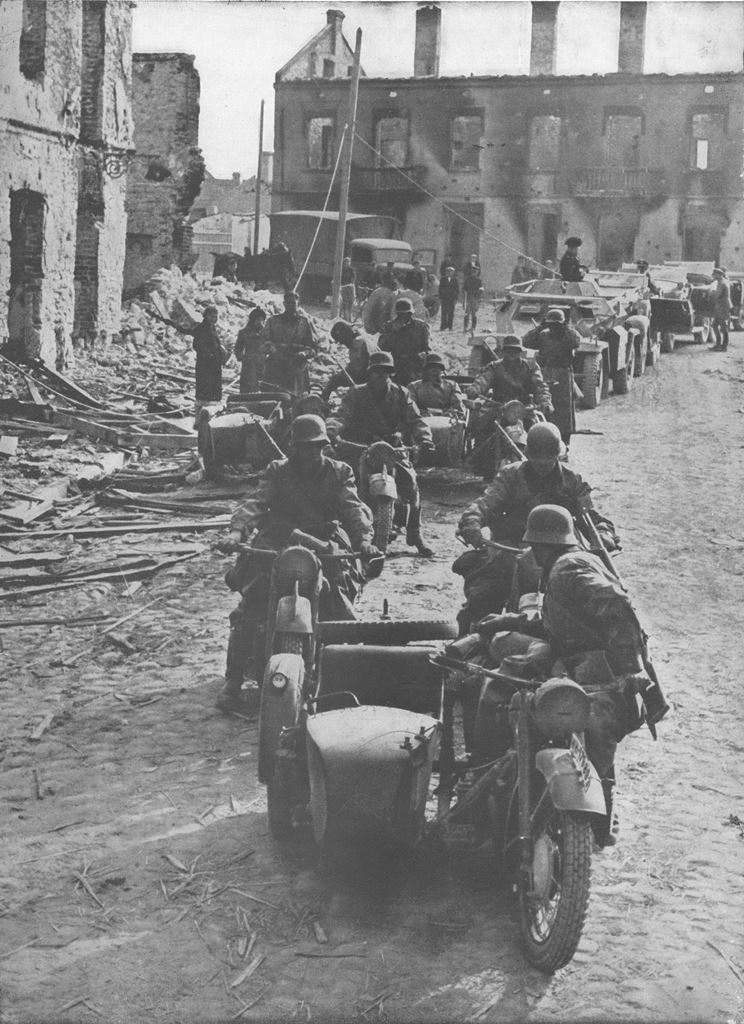
Photo from the album Der grosse Deutsche Feldzug gegen Polen. Eine Chronik des Krieges in Wort und Bild, from the archives of the Institute of National Remembrance