After the Second World War, the Third Reich was divided into four occupation zones: American, British, French and Soviet. A small area in Lower Saxony within the British occupation zone, the so-called Emsland, was handed over to the Poles. They received agricultural lands near the German-Dutch border by the mouth of the river Ems. British Prime Minister Winston Churchill made that decision on May 31, 1945.
The area under the control of Polish troops from General Maczek’s 1st Polish Armoured Division and General Sosabowski’s 1st Independent Parachute Brigade included German provinces of Aschendorf, Meppen and Lingen, as well as counties of Bentheim, Bersenbrück and Cloppenburg in Lower Saxony and Leer in Eastern Friesland. It was around 6.5 thousand square kilometres in total.
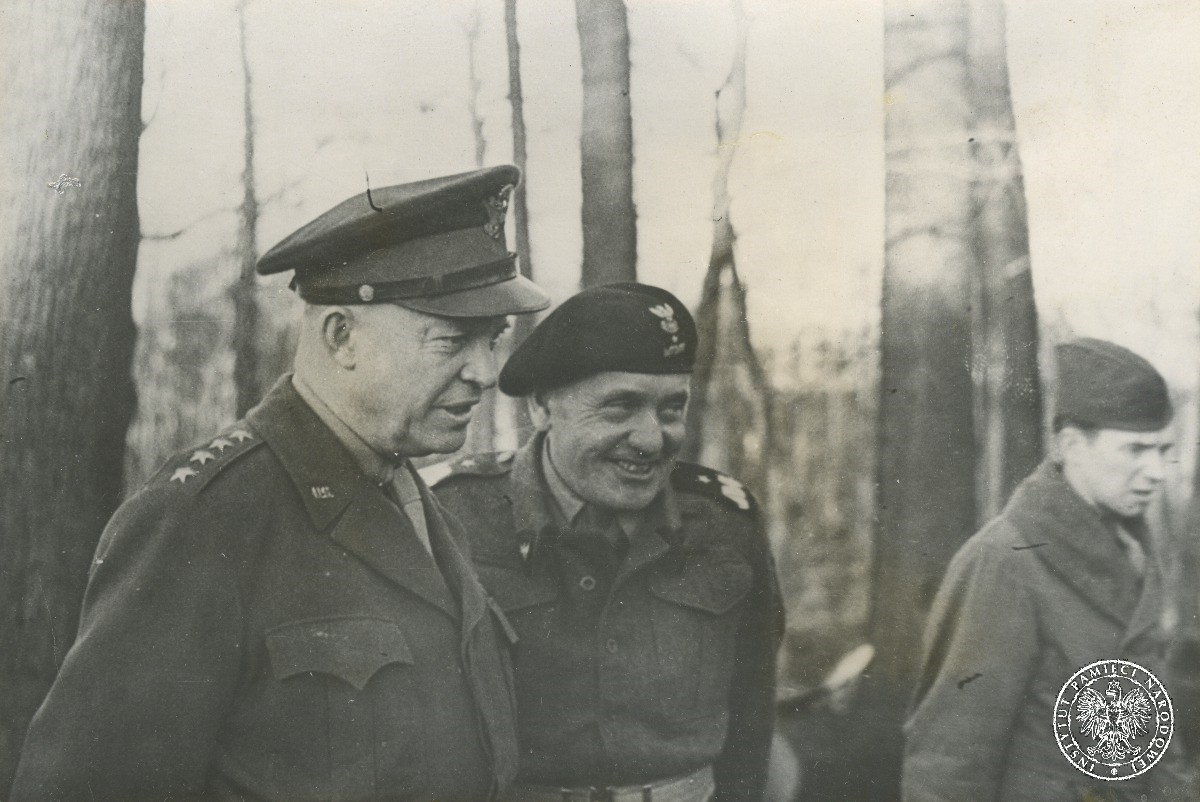
Supreme Allied Commander General Dwight Eisenhower and commander of the Polish 1st Armoured Division Brigadier General Stanisław Maczek during an inspection of Polish troops in the Netherlands, November 1944. Photo from the archives of the Institute of National Remembrance
A crumb of Poland
Poles from all over Germany flocked to the region: former forced labourers, POWs and concentration camp prisoners. They were placed in camps for repatriates or former POW camps. On May 19, 1945 around a thousand German families were relocated from the town of Haren and some five thousand Poles moved in there (including 1,728 Home Army female soldiers who were sent the Oberlangen camp after the end of the Warsaw Uprising; the camp got liberated in 1945 by the General Maczek 1st Armoured Division). The relocated Germans had to leave behind all their belongings (including food, clothing, furniture, home appliances). They settled in neighbouring rural provinces.
On June 4 (according to other sources June 24), the German name of the city of Haren was changed to Maczków, in honour of General Stanisław Maczek. Maczków had a Polish mayor, Polish primary schools, a junior high school, a high school and a vocational school. It also had a People's University, a cinema, two theatres, a Polish fire brigade and sports clubs. Polish press was published there. There was also a Polish parish. 497 Poles were born in Maczków, there were 289 weddings and 101 funerals. Józef Szajna and Leon Schiller, among others, lived in the town.
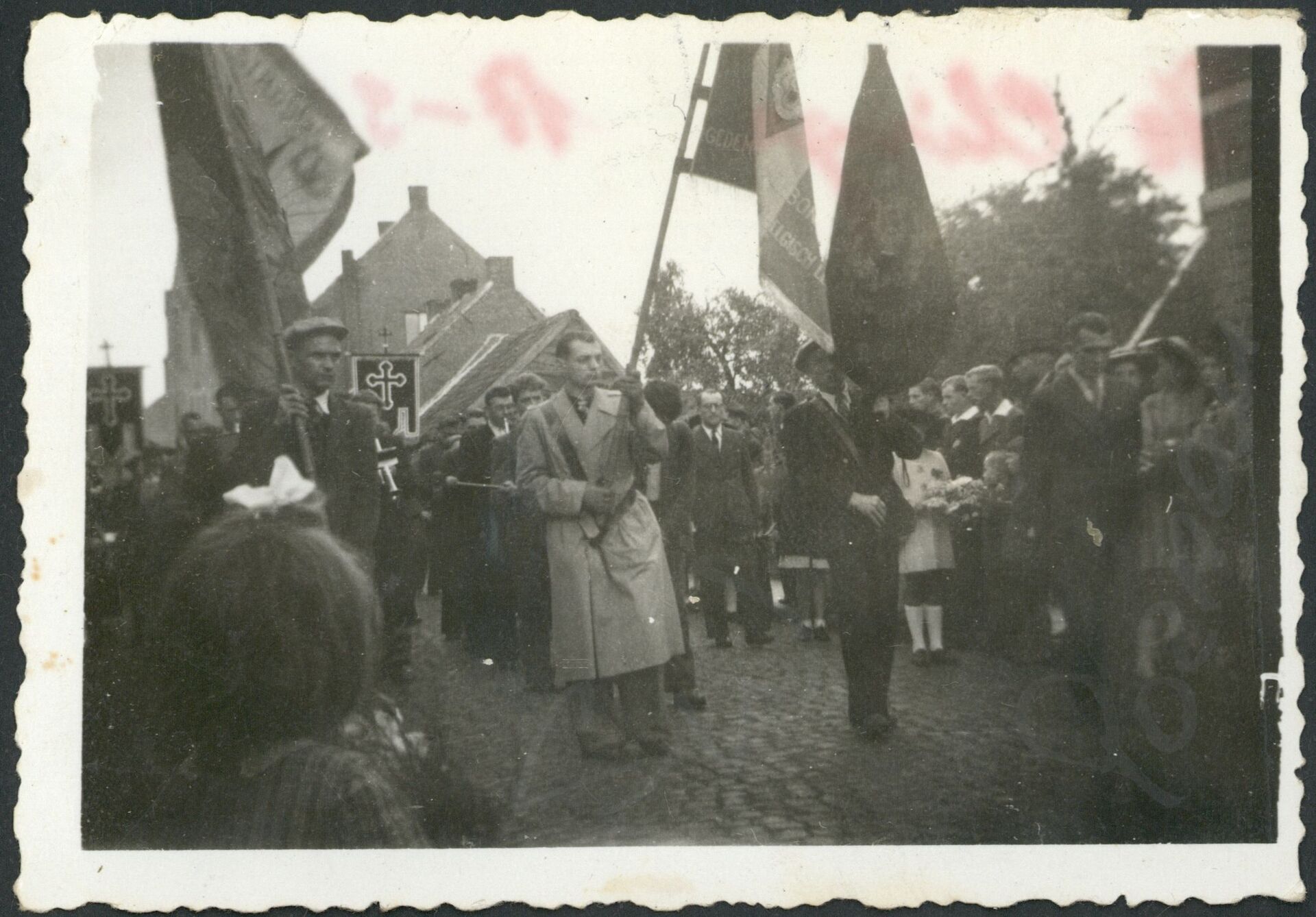
Poles in Maczków. Photo from the archives of the Institute of National Remembrance (donated by Stanisław Nogal)
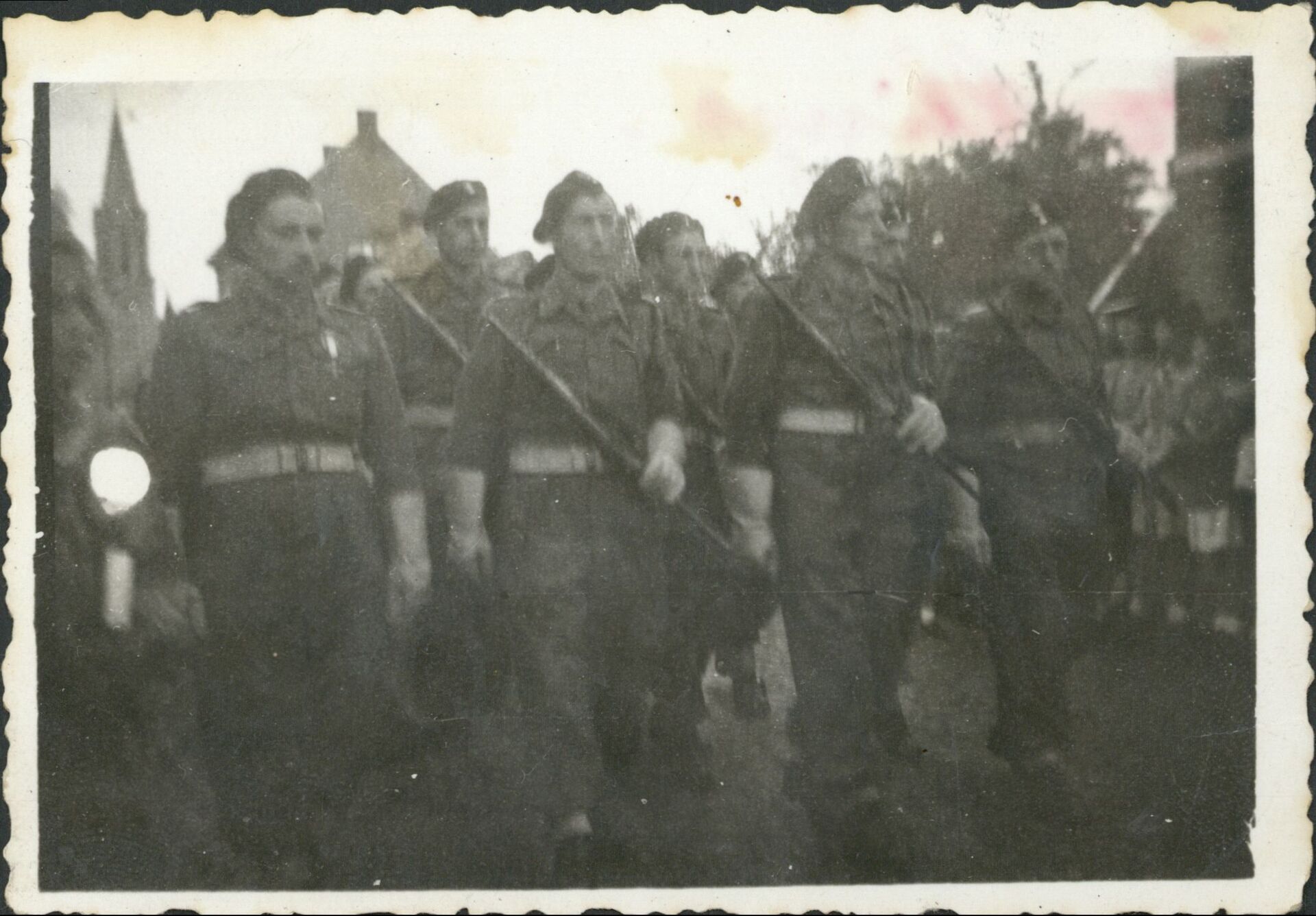
Poles in Maczków. Photo from the archives of the Institute of National Remembrance (donated by Stanisław Nogal)
Illusion of self-governance
Emsland was never a separate Polish occupation zone. Polish soldiers maintained order and security, but the area was administratively under British control. They decided on most matters, including expulsions, requisitions, and trade in the area.
The Soviets protested against the Polish “zone” in Germany and they demanded that the British liquidate it. They couldn’t accept the existence of Polish state authorities in the West. However, they were met with resistance from British Prime Minister, Winston Churchill. But in 1946 the British policy changed. After the Allies recognised the communist government in Warsaw, the British began pulling their troops out of Emsland. In September 1948, the last Polish citizens left Maczków. The Germans returned to Haren.
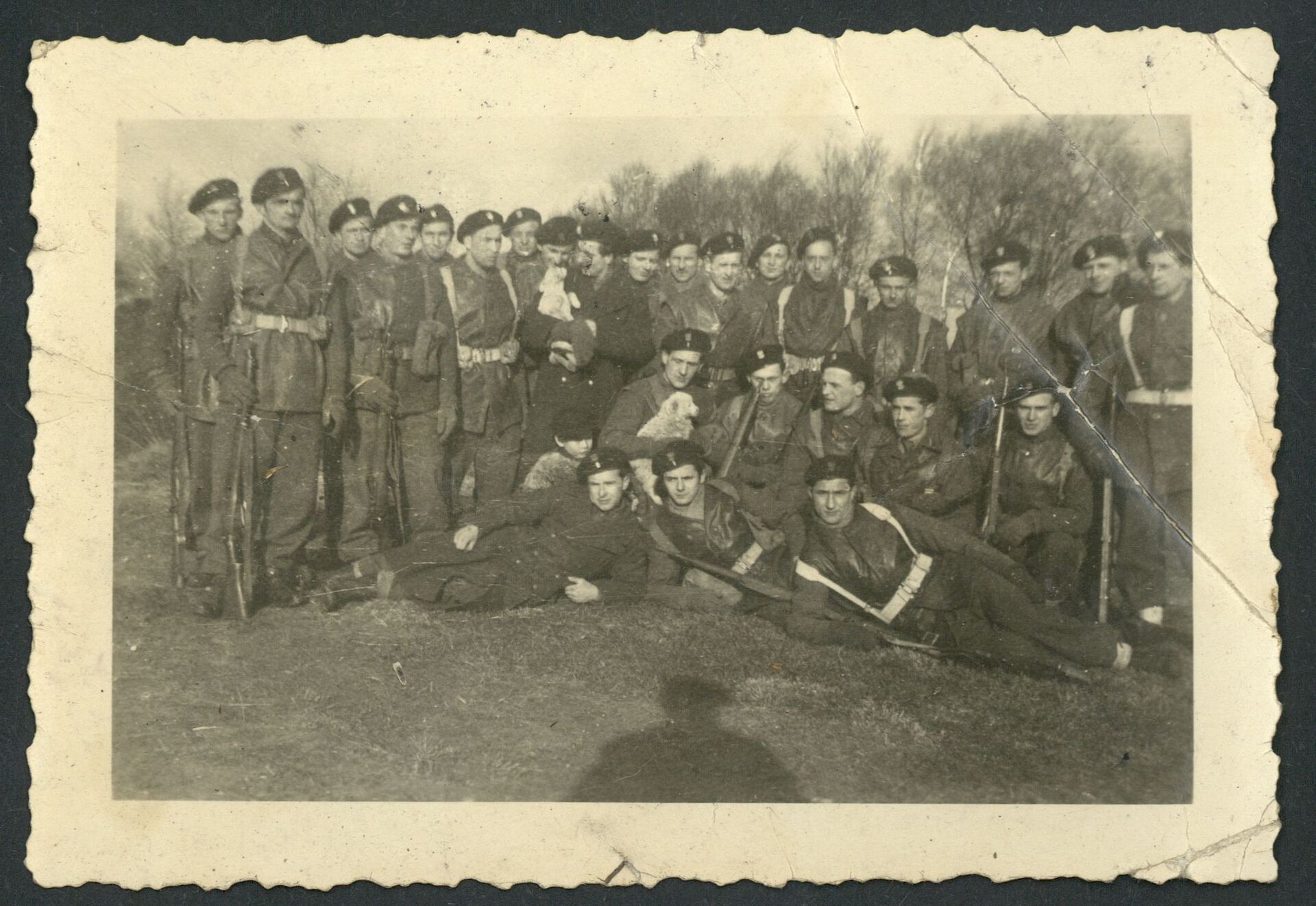
Poles in Maczków. Photo from the archives of the Institute of National Remembrance (donated by Stanisław Nogal)
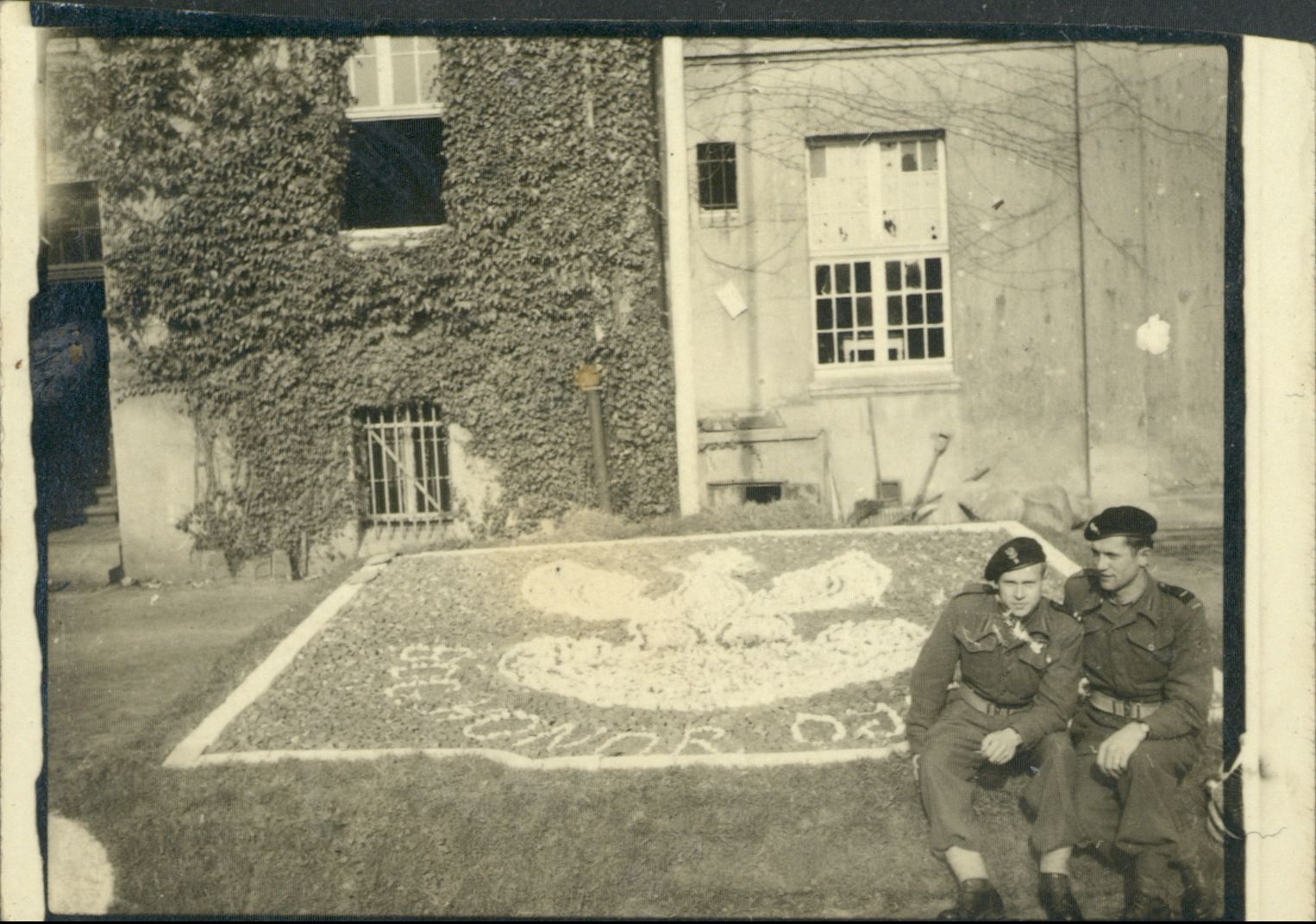
Poles in Maczków. Photo from the archives of the Institute of National Remembrance (donated by Stanisław Nogal)
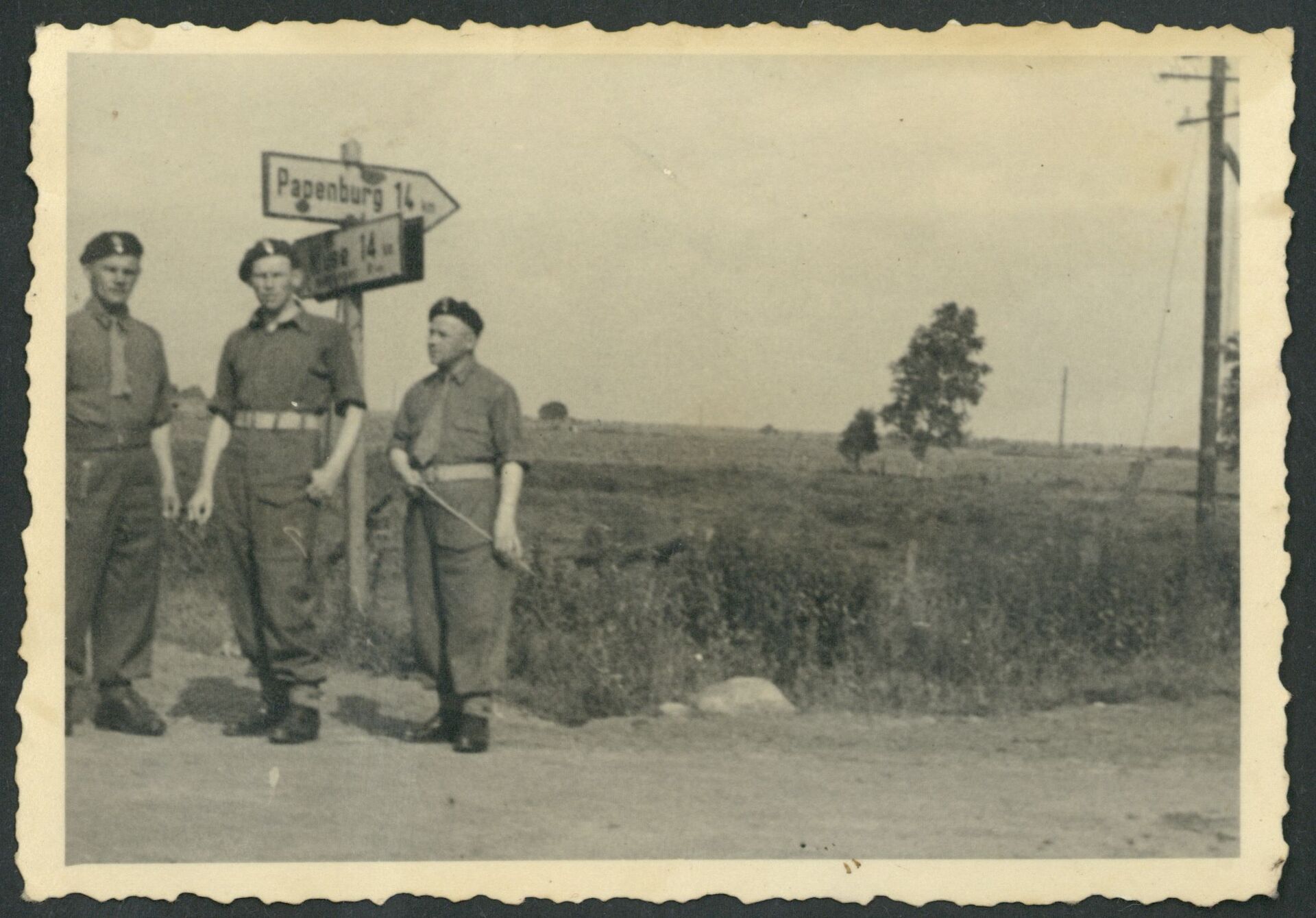
Poles in Maczków. Photo from the archives of the Institute of National Remembrance (donated by Stanisław Nogal)