
The year 1943, apart from the tragedies befalling the masses, was also full of disasters which, despite their individual nature, had an extremely strong impact on the situation in the country. The first unexpected blow came from the Gestapo. On the last day of June 1943, Gen. Rowecki “Grot” was arrested.
A blow for the Polish Underground State
The initial and hastily prepared plan of breaking out the prisoner failed. The founder of the Polish underground state, after spending several hours at the Gestapo headquarters at Szucha Alley, was transported to Berlin, and then sent to the Sachsenhausen camp. There, most likely during the Warsaw uprising, he was executed. A year later, the man who gave up the Home Army commander was hanged on the order of an underground court. His accomplices were later treated leniently by the communist courts of the Polish People’s Republic, and their punishment of several years in prison was mitigated by an amnesty.
The death of the then Prime Minister and Supreme Commander in one, unexplained to this day, became a dark page in Polish history.
“Grot’s” arrest first and foremost shook the structures of the underground state. The second blow, which came only a few days later, put the entire society into deep depression. On July 4, returning from an inspection in the Middle East and right after leaving Gibraltar, Gen. Sikorski lost his life in a plane crash. The death of the then Prime Minister and Supreme Commander in one, unexplained to this day, became a dark page in Polish history (the only survivor was the Czech pilot). It clearly weakened Poland’s chances at making its case on the international political arena. The country’s situation had most likely began to overwhelm even Sikorski himself, especially after the Kremlin had broken its diplomatic ties with the Polish government. Nevertheless, none of his successors ever managed to build a similar position among the Allies.
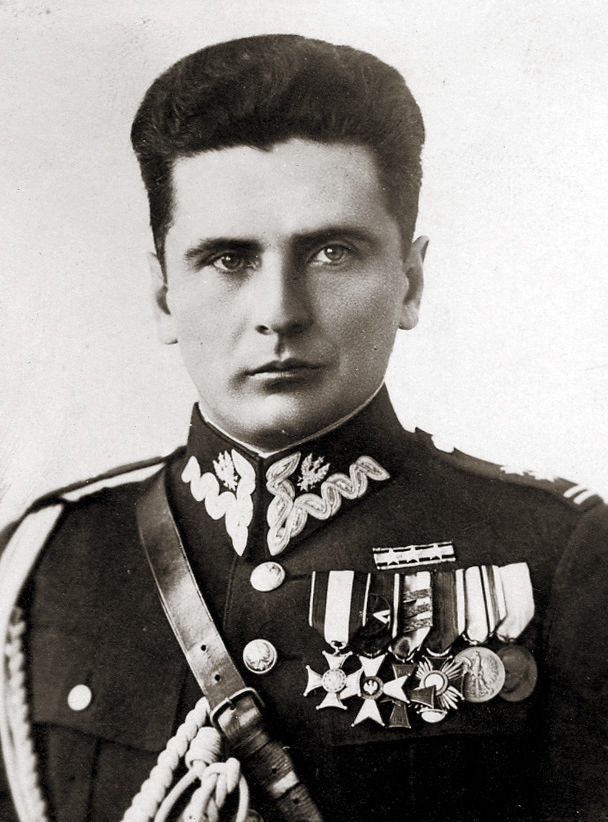
General Stefan Rowecki “Grot”
New Prime Minister in London
After Sikorski, it was Stanisław Mikołajczyk, a representative of the people’s party, who filled the Prime Minister’s seat. The government didn’t change much and President Raczkiewicz managed to push through Gen. Kazimierz Sosnkowski for the position of Supreme Commander. In the country, “Grot” was replaced by Tadeusz Komorowski “Bór”, freshly promoted to General, assisted by Generals Tadeusz Pełczyński and, since May 1944, Leopold Okulicki “Niedźwiadek”.
Poland paid a heavy price for the Soviet Union taking over the brunt of the fighting with Hitler’s armies.
“Bór’s” first public enunciation was the order for Home Army soldiers published in the “Information Bulletin” in connection to the death of Gen. Sikorski.
Sikorski’s absence quickly became noticeable, especially when in the second half of 1943 the western allies began systematically trading Poland away. It was Poland which paid a price for the Soviet Union taking over the brunt of the fighting with Hitler’s armies. The price was a heavy one, as it meant the loss of eastern territories and questionable compensation in the form of new western and northern lands.
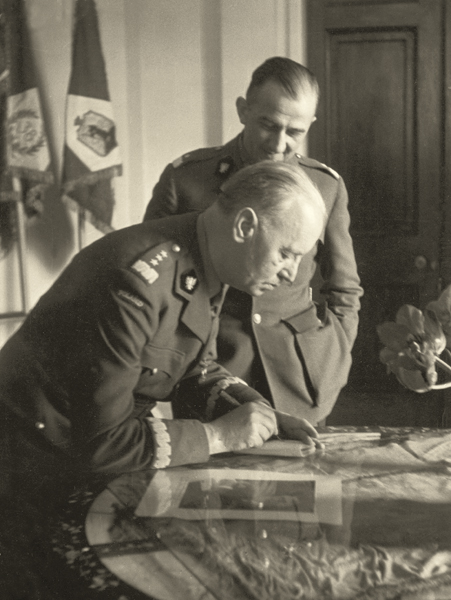
General Władysław Sikorski signing documents in his office of the Prime Minister of the government-in-exile, next to him General Tadeusz Klimecki, Chief of Staff of the Commander-in-Chief
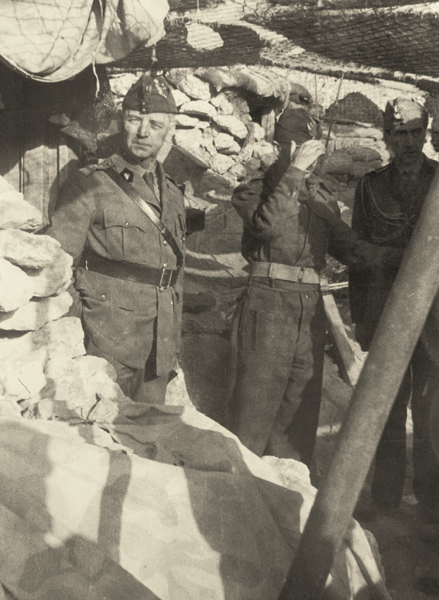
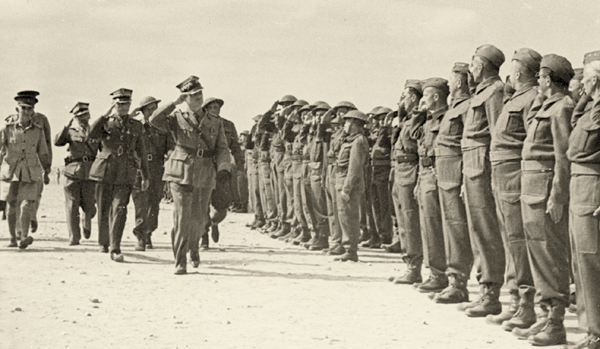
General Władysław Sikorski with General Stanisław Kopański in Tobruk, 14.11.1941
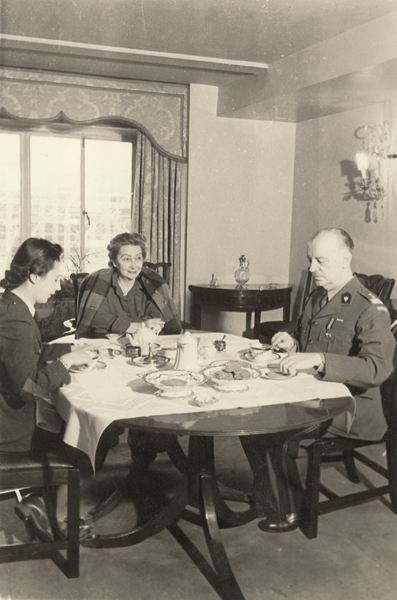
Władysław Sikorski with his wife Helena and daughter Zofia in their London apartment
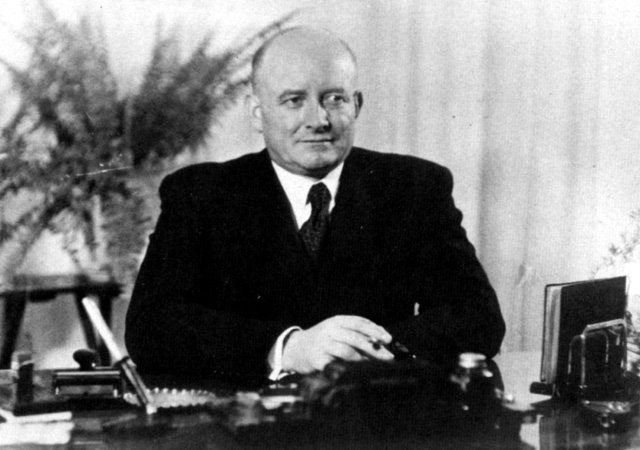
Stanisław Mikołajczyk
Tehran decisions
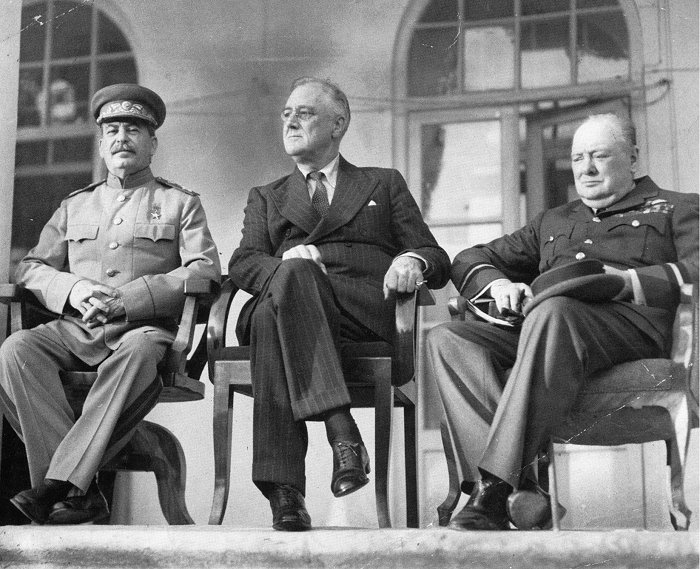
Since the turn of November and December 1943, meaning since the Big Three conference (Stalin, Churchill, Roosevelt) in Tehran, it became clear that Poland’s fate would be decided by the global superpowers. The soft and hopeless attempts at resuming relations between the Kremlin and the Polish government were the first, pre-conference test. The American mediation on this matter (in August 1943) failed Poland completely. During the October conference of foreign ministers of Great Britain, United States and the USSR in Moscow, Eden calmly listened to the opinions of the Home Army’s “anti-Soviet approach” towards the “red resistance” in the country.
Poland’s fate wasn’t completely sealed in Tehran, but, which wasn’t made public at the time (Roosevelt feared he would lose the votes of the Polish diaspora during the impending U.S. elections), the general shape of its future borders was established there.
Per Stalin’s suggestion, the Polish border would lie at the Oder river to the west, while East Prussia was to be joined to it from the north (excluding the territories around Królewiec). Finally, the eastern border would be placed on the Curzon Line. In practice, in the latter case it was a sanctioning of the solutions adopted in the treaty "on borders and friendship" between Germany and the USSR of September 28, 1939. The phrase on “population resettlement” used by Churchill foreshadowed a forced exodus not only of Germans from the territories east of the Oder river, but also of Poles living in the east of the Curzon Line. With cliched phrases on “strong and independent Poland”, Stalin masked his cynicism, while Churchill and Roosevelt masked their insincerity.