“Where the mind is without fear and the head is held high
Where knowledge is free
Where the world has not been broken up into fragments
By narrow domestic walls […]
Where the clear stream of reason has not lost its way
Into the dreary desert sand of dead habit […]
Into that heaven of freedom, my Father, let my country awake!”
These words, from one of the poems by Rabindranath Tagore, an Indian poet, prose writer, and Nobel Prize winner, included in the volume Gitanjali, perfectly relate to the anniversary of the proclamation of India's independence celebrated on August 15.
From the inhuman land
India, which for nearly 90 years remained Great Britain’s colony, often referred to as the “Pearl of the British Crown”, became the refuge for thousands of Poles who had been deported deep into the USSR between 1940-1941 and then released as a result of the Sikorski-Mayski agreement. Due to the “amnesty” they got their freedom back and left the “inhuman land” behind them with the Gen. Anders’ Army.
It is worth noting that between 1942-1948 there were two Polish refugee camps operating on the Indian Peninsula, i.e. the Polish Children Neighbourhood in Balachadi and the Polish Camp in Valivade. The latter was the biggest and longest functioning asylum for Poles. It is there where Poles and Indians celebrated India’s independence together and the tricolour flag was raised on the mast.
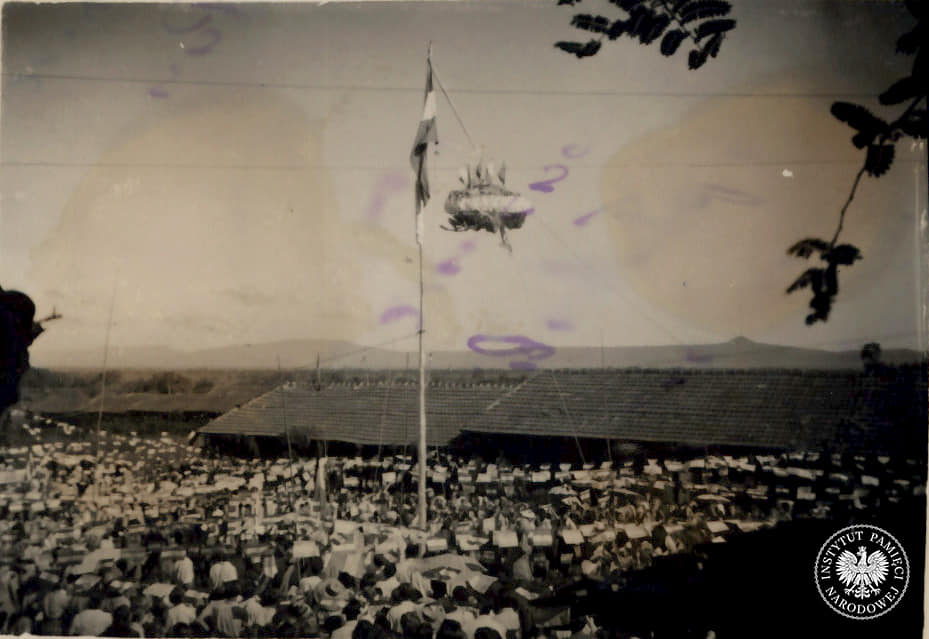
India’s Independence Day at the Polish Camp in Valivade, August 15, 1947 (Photo from the Institute of National Remembrance Archives)
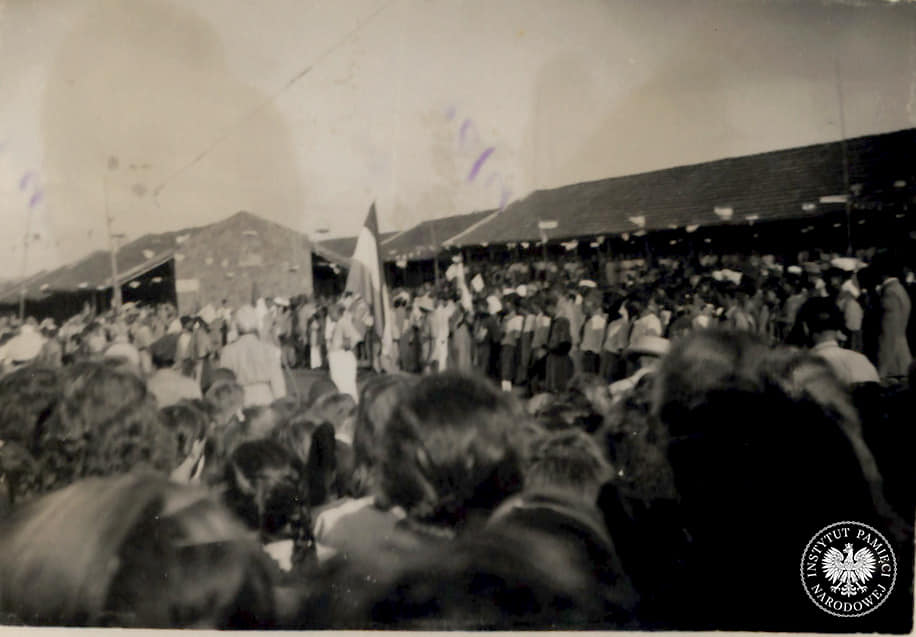
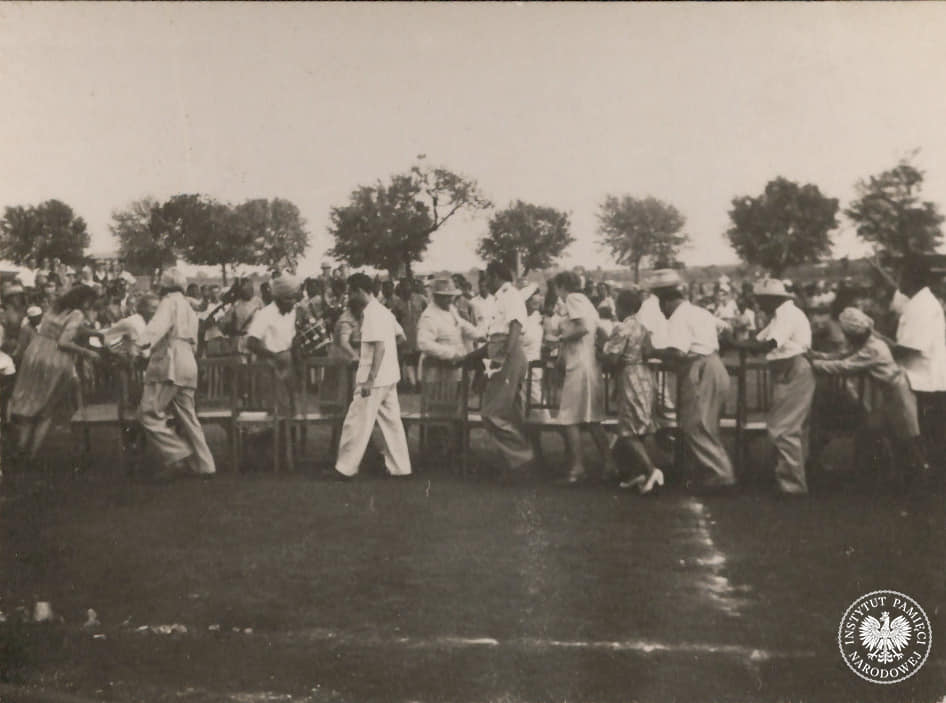
Celebrations of India’s Independence Day at the Polish Camp in Valivade, August 15, 1947 (Photo from the Institute of National Remembrance Archives)
According to the reports from the celebrations, published in the Pole in India (issue from August 23, 1947), the ceremonies of India regaining independence were accompanied by various events, i.e. artistic performances, marches and public readings. At one of these events, an Indian man began chanting: “Poland must be free!” After a while, other locals joined him. Poles gathered there responded with applause.
Polish-Indian cooperation
The embodiment of Indian kindness for Poles was the leader of the Nawanagar princedom, maharaja Digvijaysinhji Ranjitsinhji Jadeja, who said this to the arriving groups of Polish children:
“Do not consider yourself orphans. You are now Nawanagaris, and I am Bapu, the father of all the people of Nawanagar, so also yours.”
In Bombay (modern-day Mumbai), in March 1944, the Polish-Indian library was organised, which was aimed at teaching Poles about the Indian culture and history and the Indians about Poland. Wanda Dynowska travelled across the Indian Peninsula, giving lectures on both nations. She was appreciated by Mahatma Gandhi, who, as an expression of his sympathy for her, gave her the name "Umadevi", which means "Luminous Soul".
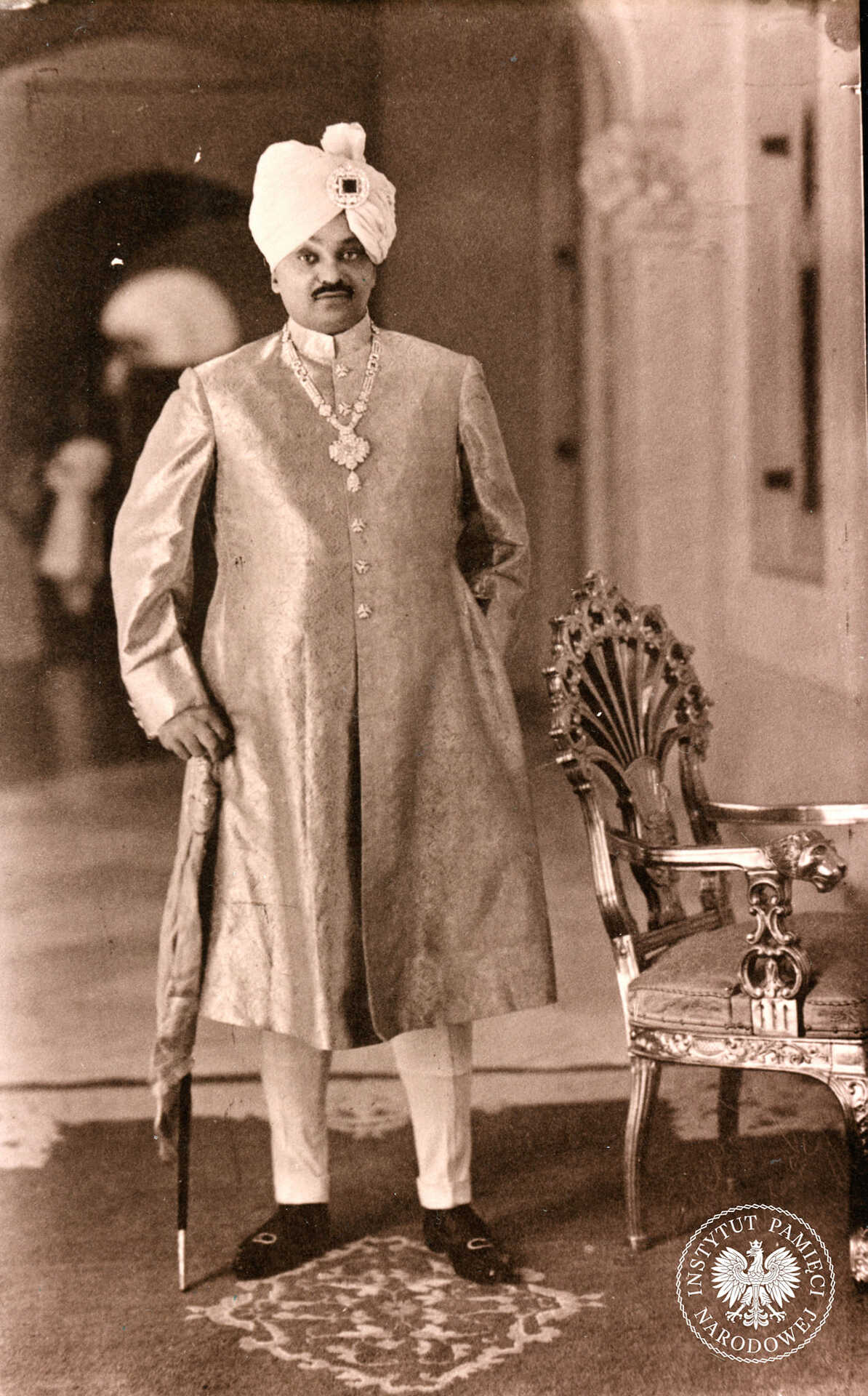
Maharaja Digvijaysinhji Ranjitsinhji Jadeja (Photo from the Institute of National Remembrance Archives)
The Polish-Indian friendship bloomed also in the refugee camps. Indians, due to their linguistic skills, very quickly learned the basic words and phrases from the Polish language. Indian Benjamin Appadurai taught English at the Valivade school. The locals provided invaluable help to Poles at the post office and with housekeeping. They also sometimes celebrated family occasions together and inviting each other to their homes.
- * * *
Under the project Archive Full of Remembrance, in 2019, the Institute of National Remembrance Archives received the original documents of the Polish Club in India from 1942-1948. In 2022, the Archives received digital copies of materials provided by Mr. Wiesław Stypuła. Among the countless photographs and documents on the Polish refugees in India, there are also those which show India’s Independence Day celebrations in the Polish Camp in Valivade, as well as showcase the rich Indian culture and people who gave the helping hand to Poles staying abroad.
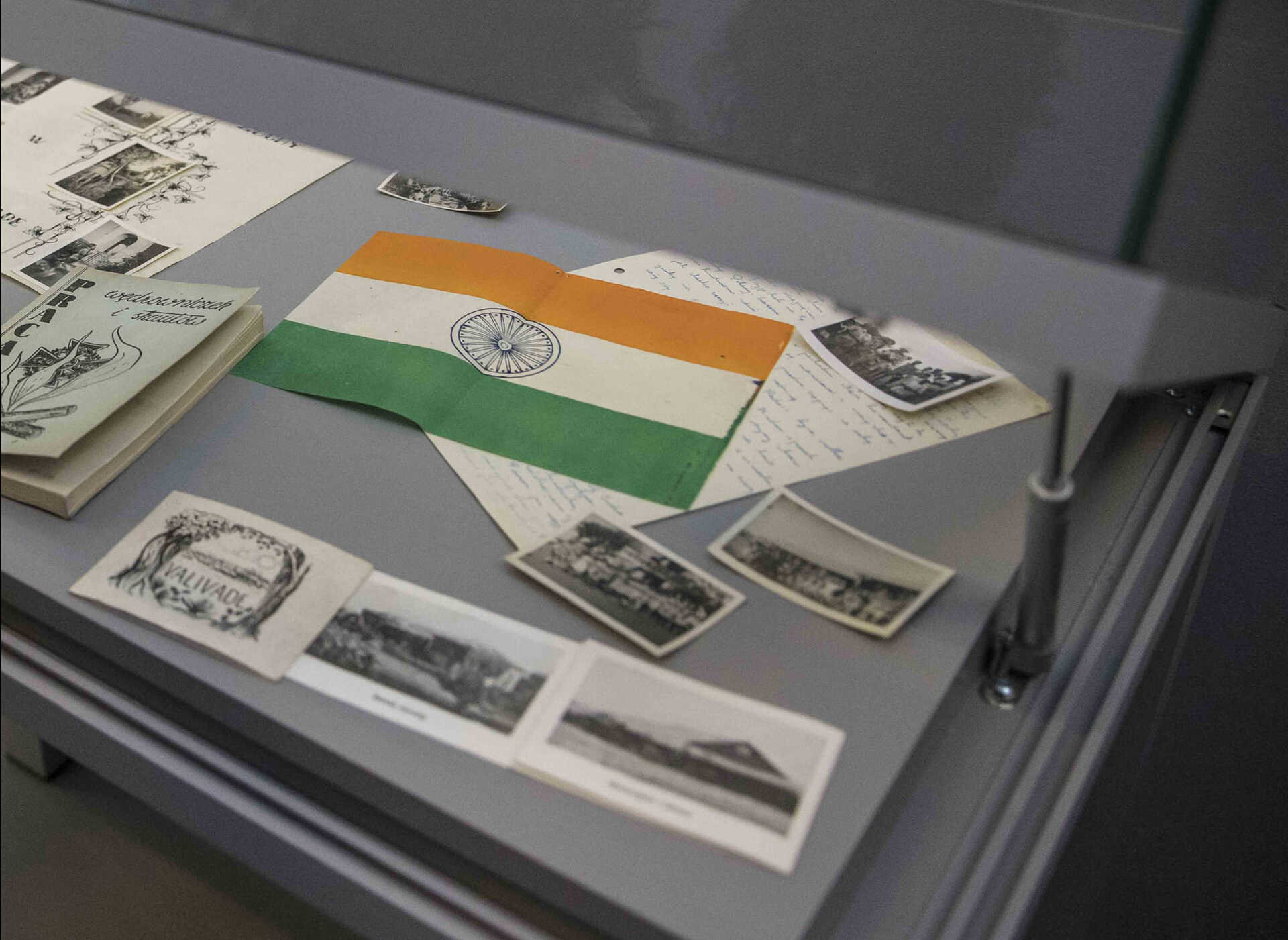
Some of the archive materials on the Polish Camp in Valivade, presented during the Night of the Museums (Photo by Katarzyna Adamów)
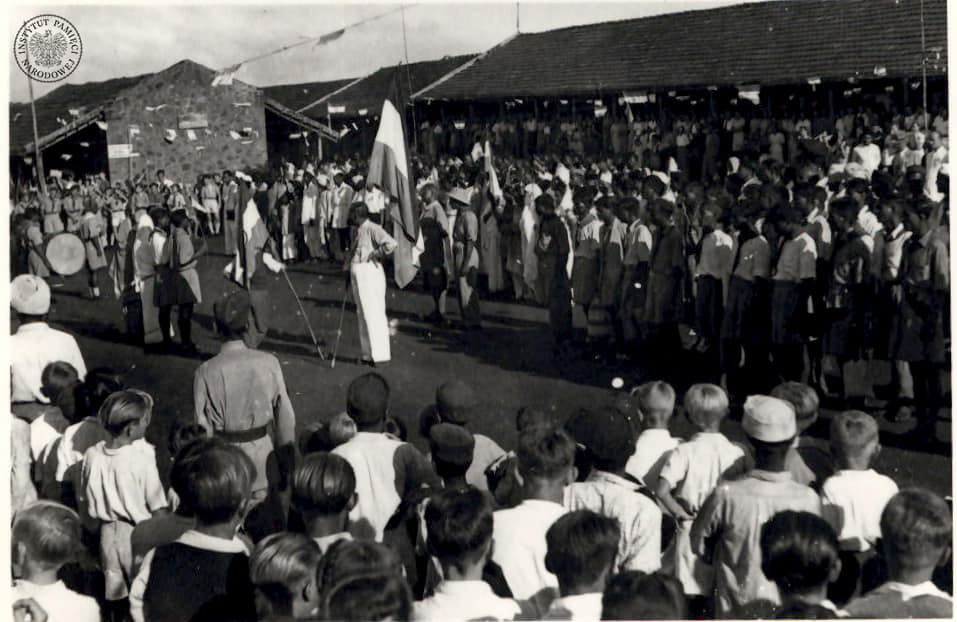
Celebrations of India's Independence Day at the Polish Camp in Valivade, August 15, 1947 (Photo from the Institute of National Remembrance Archives)