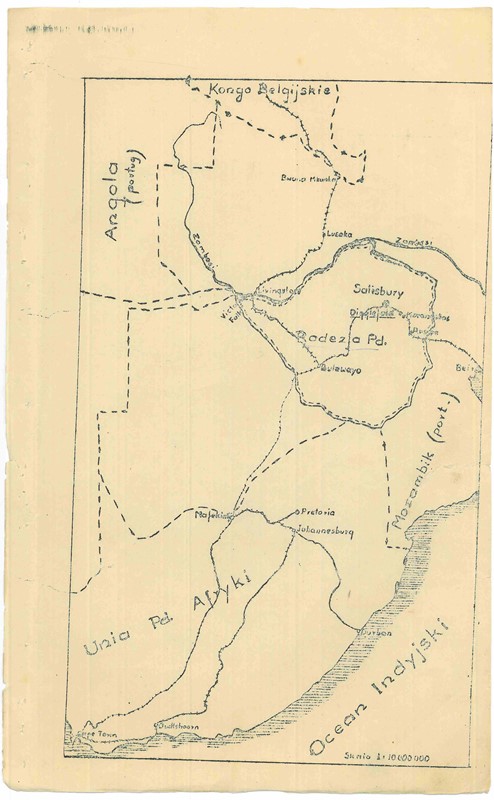

There were 21 caretaking facilities for Polish children in Iran alone. A large number of them ended up in British colonies in southern and eastern Africa: Uganda, Northern Rhodesia (modern-day Zambia), Southern Rhodesia (modern-day Zimbabwe) and the Union of South Africa (modern-day Republic of South Africa). 22 Polish camps were set up there as well, housing nearly 18 thousand people, including children.
Poles in Rhodesia
There were two Polish camps in Southern Rhodesia: Marandellas and Rusape. The first Poles evacuated from the Soviet Union reached them in February 1943.
Camp Rusape consisted of more than 70 brick, tin-roofed houses with gardens as well as a chapel, common bathroom, canteen and pig, cattle and chicken farms. It also had a small sewing shop and a small hospital. 700 people lived there in 1944, including more than 250 children.
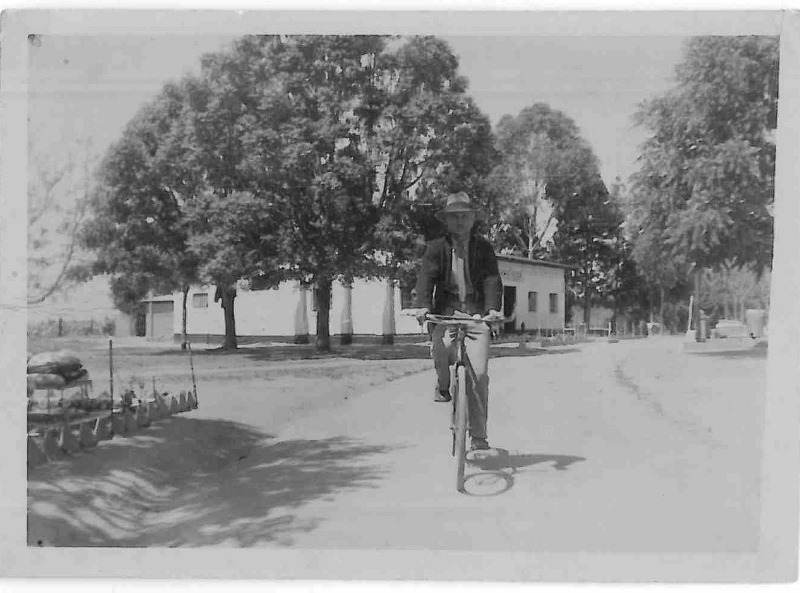
Digglefold (Southern Rhodesia) between 1944-1948, from the collections of the Archives of the Institute of National Remembrance
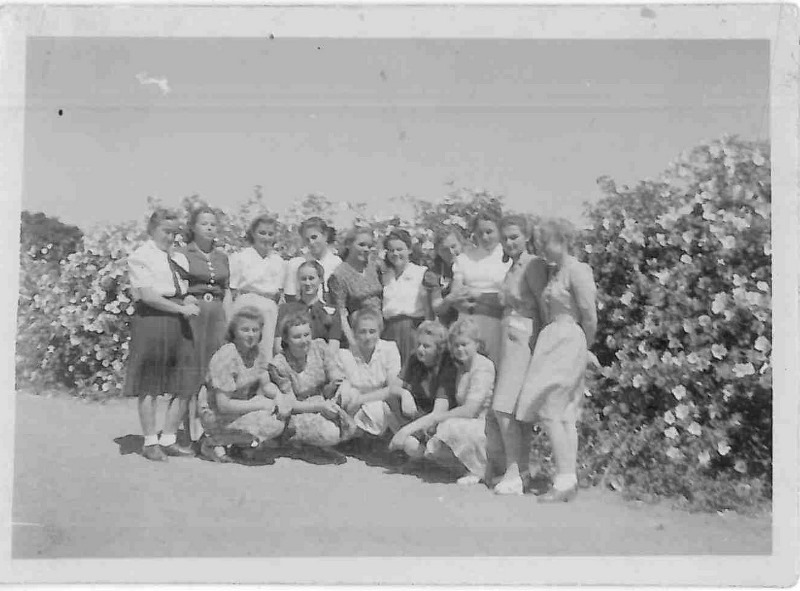
Digglefold (Southern Rhodesia) between 1944-1948, from the collections of the Archives of the Institute of National Remembrance
Camp Marandellas housed 600 people. It included two canteens, a kitchen, bathrooms, laundry and a small hospital. It had what was called a Polish House, which included a common room, library, event hall and workshops for sewing, shoemaking and hairdressing.
Despite the lack of teachers, the Polish camps set up schools. Lessons would take place in simple, wooden barracks or clay houses covered in straw and leaves. In the first years, there were no books nor writing utensils. After graduating primary school, male students continued their education in Northern Rhodesia in Livingstone, at the National Junior High School, and Humanities High School in Digglefold. 150 female students attended the latter in the first year. Their teachers were Polish refugees from the so-called Cyprus group, the first one to reach Africa in the years 1941-1942. They were people with higher education, including professors from universities, who went to Cyprus from Romania in 1940.
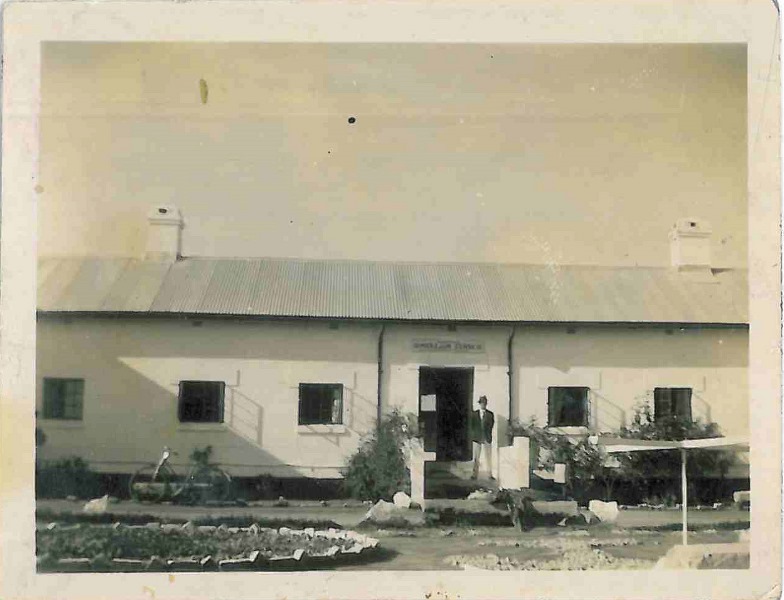
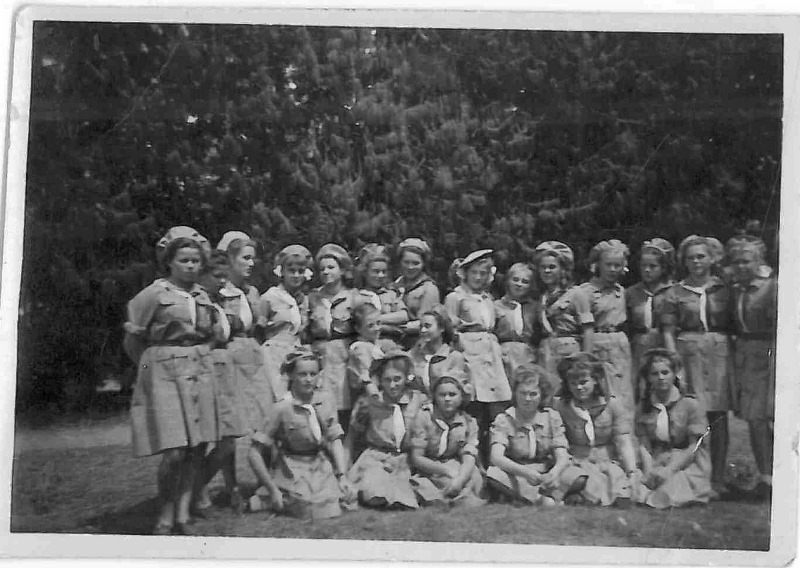
Digglefold (Southern Rhodesia) between 1944-1948, from the collections of the Archives of the Institute of National Remembrance
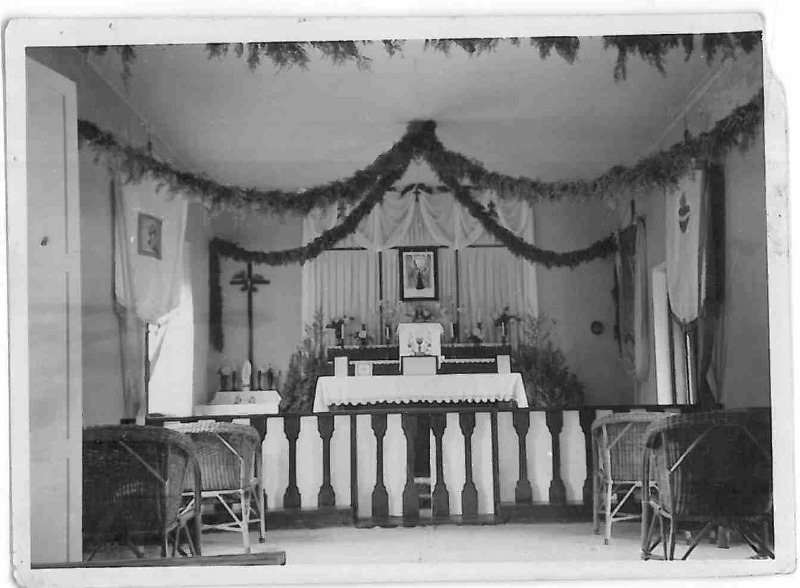
Digglefold (Southern Rhodesia) between 1944-1948, from the collections of the Archives of the Institute of National Remembrance
Little Poland
The living conditions in Africa were very difficult. The language barrier, difference of culture and traditions and the tropical climate added to the tragic circumstances of their refugee fate. Nevertheless, from the very beginning Poles were able to organise and handle the tough conditions. Polish camps and schools in Africa became “little homelands”, reminiscent of the lost country. Polish refugees set up flower and vegetable gardens, put up the red and white flag on the mast and the country’s emblem above the entrance gate: the white and red eagle. They celebrated national holidays, and the children participating in social activities often gave concerts with patriotic and scout songs.
The Poznań branch of the Archives of the Institute of National Remembrance contain the digital copies of materials from the female Junior High School in Digglefold (Southern Rhodesia) from the years 1944-1948. These include drawings, photographs, school reports and lists of teachers and students. They paint the picture of the everyday lives of the Polish children and their education in the new surroundings and conditions. Their the proof of the exile and hardship of Polish children during the war and the source of knowledge on this tragic time in Polish history.
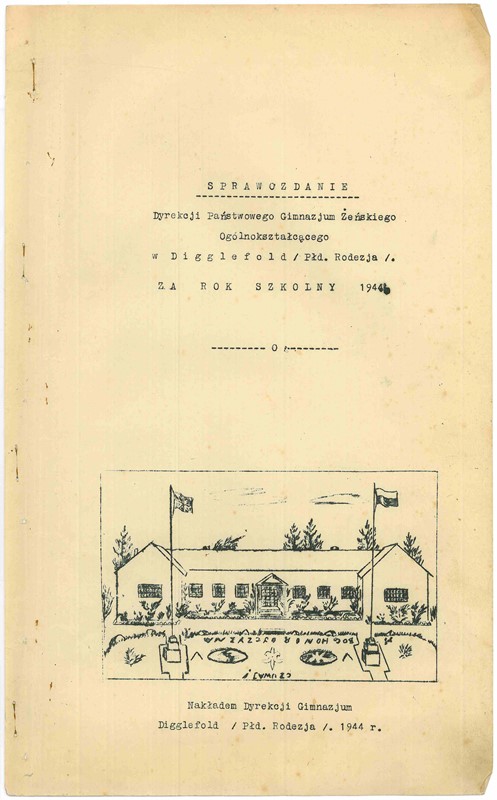
Materials concerning the female Junior High School in Digglefold (Soth Rhodesia) between 1944-1948, from the collections of the Archives of the Institute of National Remembrance
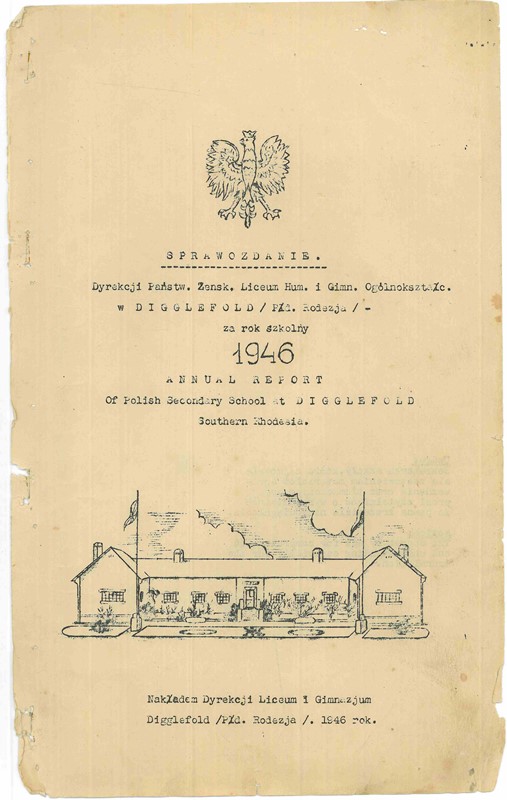
Materials concerning the female Junior High School in Digglefold (Soth Rhodesia) between 1944-1948, from the collections of the Archives of the Institute of National Remembrance
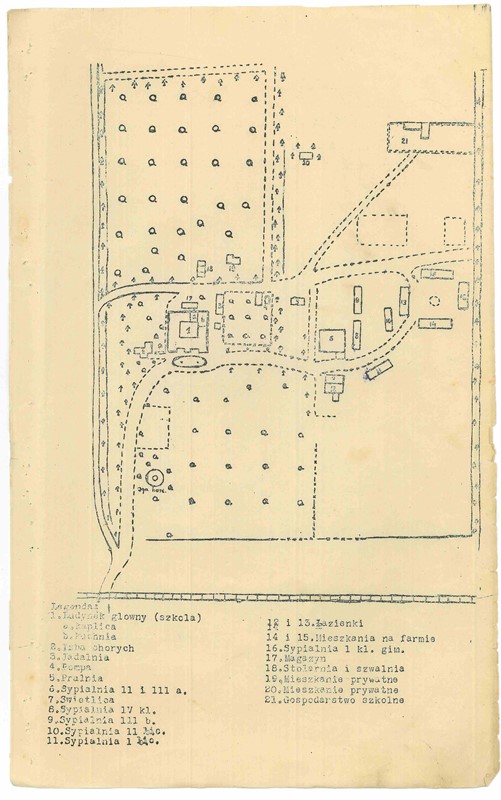
Materials concerning the female Junior High School in Digglefold (Soth Rhodesia) between 1944-1948, from the collections of the Archives of the Institute of National Remembrance